
The Ultimate Guide to Maintaining Color Treated Hair in Colorado’s Climate
Maintaining vibrant, healthy color-treated hair in Colorado is uniquely challenging due to the state’s high altitude, low humidity, and intense sun. This guide is designed for anyone living in Denver, Aurora, Arvada, or anywhere in Colorado who wants to protect their hair color and keep it looking salon-fresh. We’ll cover daily routines, hydration strategies, UV protection, and expert salon tips tailored to Colorado’s climate.
Maintaining color-treated hair in Colorado’s dry, high-altitude climate requires intense hydration and UV protection to prevent rapid fading and dryness. This guide covers everything you need to know about maintaining color-treated hair in Colorado’s unique climate, including daily routines, hydration, UV protection, and salon strategies.
Key Takeaways
Colorado’s high altitude (around 5,280 feet in Denver) combined with low humidity that often drops to 20-30% and intense UV exposure creates a triple threat for color treated hair—accelerating moisture loss, pigment oxidation, and overall hair breakage faster than almost any other region in the country.
Sulfate free shampoos, color-safe formulas, hydrating products, and consistent uv protection are non-negotiable essentials for keeping color vibrant whether you live in Denver, Arvada, Aurora, or anywhere along the greater Front Range.
Spacing out washes to every 2-4 days, limiting heat styling, and incorporating weekly deep conditioning treatments can dramatically extend the life of professional color services—sometimes doubling the time between touch-ups.
Regular visits to Clementine’s Salon locations in Denver LoHi, Arvada, and Aurora for glosses, trims, and targeted professional treatments keep your color looking fresh and salon-worthy between major appointments.
Ready to build a custom Colorado-proof routine with a stylist who understands the unique challenges of our climate? Book a color consultation at Clementine’s today.
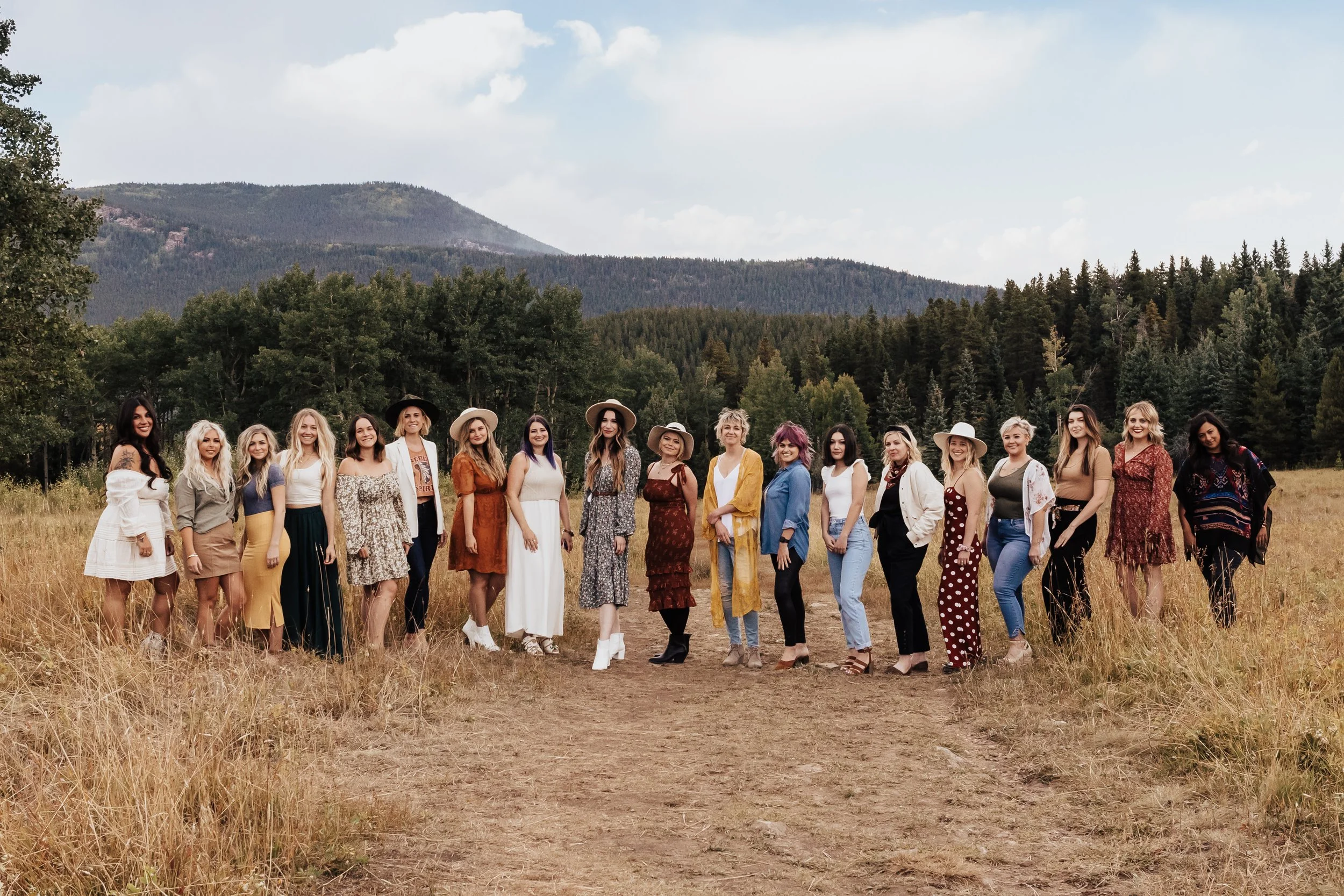
A group of woman with vibrant, healthy colored hair stands against a backdrop of the sunny Colorado mountains, under a clear blue sky. Their hair shines with moisture retention, showcasing the importance of deep conditioning treatments and UV protection in Colorado's dry climate.
How Colorado’s Climate Affects Color Treated Hair
Colorado's dry climate and high altitude can quickly lead to moisture loss in color-treated hair, making hydration essential.
Living at altitude comes with stunning mountain views and over 300 sunny days per year—but it also means your colored hair faces some serious environmental stress. At around 5,280 feet in Denver, the average relative humidity hovers under 30% year-round and frequently dips below 20% during winter months. This dry air pulls essential moisture from the hair cuticle faster than you can say “frizz,” leaving color treated strands parched and prone to damage.
Humidity and UV Impact
The UV situation is even more dramatic. For every 1,000 feet above sea level, ultraviolet radiation intensity increases by approximately 8-10%. That means Denver residents experience UV rays that are 25-40% stronger than those at sea level. These powerful rays penetrate the hair shaft, generating free radicals that break down the chemical bonds weakened during the coloring process. The result? Brassiness in blondes, dullness in brunettes, and rapid vibrancy loss in reds, coppers, and fashion shades—sometimes within just two to four weeks after your salon visit.
Seasonal Challenges
Seasonal extremes compound the challenge. Colorado winters bring indoor heating that drops humidity even further, creating static that lifts the hair cuticle and accelerates color oxidation. Summer means intense sun and pool exposure. Spring winds cause mechanical breakage and tangling. Fall temperature swings stress hair as it tries to adapt. Each season in Denver’s climate presents its own set of hurdles for maintaining healthy hair.
Hard Water Effects
Many Denver-metro neighborhoods also contend with hard water, which deposits minerals on the hair shaft. This mineral buildup can make blonde and pastel tones look flat, cause hair to feel rough, and prevent products from absorbing properly.
Clementine’s stylists understand these specific Colorado factors intimately. When formulating color and recommending hair products, they consider altitude, lifestyle, and seasonal patterns to help you keep your hair looking its best.
Daily Care Essentials for Color Treated Hair in Colorado
Consistency in your daily habits matters far more than chasing occasional “miracle” products when living in Colorado’s dry climate. Small, intentional choices each day add up to major color preservation over time.
The foundation of daily care starts with gentle cleansing using cool to lukewarm water. Hot water opens the hair cuticle, allowing pigment to escape and natural oils to strip away faster. Minimal manipulation—less brushing, less tugging, less rough handling—protects fragile, chemically processed cuticles from unnecessary wear.
For most Colorado clients, washing every 2-4 days hits the sweet spot between keeping your scalp healthy and preventing color fade. However, your ideal frequency depends on your specific hair type, scalp needs, and activity level. A professional stylist at Clementine’s can help you dial in the perfect rhythm during your consultation.
Quick Reset Tips for Busy Denver Weekdays
Rather than over-washing on hectic mornings, try these shortcuts to keep your hair fresh:
Apply dry shampoo at the roots and let it absorb for two minutes before brushing through.
Pull hair into a low bun, sleek ponytail, or loose braid.
Use a refreshing scalp mist to add lightweight moisture without cleansing.
Smooth flyaways with a tiny amount of argan oil on your fingertips.
Sulfate-Free, Color-Safe Shampoo and Conditioner
Sulfate-free, moisturizing products are essential for color-treated hair because they help retain moisture and color vibrancy. Sulfate surfactants—the foaming agents in traditional shampoos—strip both artificial pigment and natural oils from your hair. Studies show sulfate free shampoos preserve color up to 40% better than their traditional counterparts. In Colorado’s low-humidity air, where your hair is already fighting to retain moisture, this difference becomes even more pronounced.
When selecting formulas, texture matters:
| Hair Type | Ideal Shampoo Texture | Ideal Conditioner Texture |
|---|---|---|
| Fine or thin | Lightweight, volumizing | Light, non-weighing |
| Medium density | Creamy, balanced | Rich but not heavy |
| Coarse or curly | Ultra-hydrating | Thick, buttery |
For especially dry, highlighted, or high-lift blondes, consider alternating a hydrating shampoo with a gentler, low-lather cleansing conditioner (also called co-washing). This approach provides cleansing without stripping what little moisture remains.
The application technique makes all the difference too. Focus shampoo at the scalp only, where oil and buildup actually accumulate. Pull conditioner through mid-lengths and ends, leaving it on for a few minutes before rinsing with cool water to seal the cuticle. For inspiration on how to style your hair after washing, check out the biggest haircut trends of 2025.
Clementine’s carries salon-grade lines specifically formulated for color longevity, and guests can get personalized advice during any appointment.
Smart Washing and Drying Habits
Gradually extending time between washes is one of the simplest ways to protect color in dry climates. Start by adding one extra day between washes, using dry shampoo and scalp mists as bridges. Over a few weeks, your scalp will adjust its oil production, and your color will thank you.
Post-wash, how you dry your hair matters:
Pat, don’t rub. Gently squeeze the water from your hair strands with a microfiber towel. Rough towel rubbing raises the cuticle and accelerates color fade.
Air dry when possible. Even partial air drying reduces heat exposure significantly.
Moderate heat settings. If you must blow-dry, keep temperatures at a medium setting and use a concentrator nozzle. Direct air down the hair shaft (from roots to ends) to preserve smoothness and shine.
Switching to silk or satin pillowcases creates another layer of protection. These fabrics limit friction, prevent tangles, and lock in overnight moisture—keeping colored hair soft and manageable each morning.
These habits become especially crucial during the first 72 hours after a fresh color service at Clementine’s, when the cuticle is still settling and pigment is most vulnerable.
Hydration, Masks, and Leave-In Care
Colorado’s humidity often dips below 20% in winter, creating conditions where hair loses moisture faster than it can be replaced. Color treated hair needs both internal hydration (drinking plenty of water—aim for 64 ounces daily) and external hydration from masks, creams, and oils.
Internal vs. External Hydration
Focus your hydrating efforts on mid-lengths and ends, where color treated hair is oldest, driest, and most porous. These areas have endured the most chemical processing and environmental exposure, making them the thirstiest parts of your strands.
A weekly or biweekly at-home mask combined with in-salon deep conditioning treatments at Clementine’s delivers the best results. Professional treatments penetrate more deeply and can be customized to your specific needs.
Signs of Properly Hydrated Hair:
Smooth, reflective surface
Reduced frizz and flyaways
Easier detangling
Soft texture without feeling limp
Color appears more vibrant and dimensional
Clients with curls or coils living in Denver, Aurora, and Arvada often need even more frequent hydration rituals than those with straight or fine hair, as textured hair is naturally more porous.

Weekly Deep Conditioning and Repair Masks
A weekly deep conditioning treatment serves as the foundation of moisture retention in Colorado’s climate. Apply a rich, color-safe mask once a week, leaving it on for 10-20 minutes. For better penetration, cover your hair with a shower cap or warm towel—the gentle heat helps ingredients absorb more deeply.
Mask Application Tips
Understanding the difference between mask types helps you choose wisely:
| Mask Type | Key Ingredients | Best For |
|---|---|---|
| Moisture masks | Shea butter, aloe, coconut oil, argan oil | Dryness, rough texture, dull color |
| Bond-repair masks | Amino acids, bond-building technology | Breakage, over-processed hair, elasticity |
| Protein masks | Keratin, hydrolyzed wheat proteins | Weakness, limp strands, porosity |
Clementine’s stylists help clients balance these treatments, as too much protein can cause brittleness while too much moisture can lead to limp, lifeless hair. This is especially important for blondes and heavily highlighted guests, who need regular deep conditioning masks but risk protein overload.
During peak winter months or after major color transformations, scheduling an in-salon intensive treatment package every 4-6 weeks provides the deep repair that at-home products can’t fully replicate.
Leave-In Conditioners, Creams, and Oils
In Denver’s dry climate with its wind and low humidity, a daily leave-in conditioner or hydrating milk acts as a moisture “jacket” for your hair. These products create a protective layer that shields strands from environmental stressors while keeping hair hydrated throughout the day.
Choose your texture based on hair type:
Fine hair: Lightweight sprays that won’t weigh strands down
Medium textures: Creams that provide hold and hydration
Thick, coarse, or curly hair: Richer oils or butters that deliver intense moisture
Application Guide:
Apply to damp hair after towel-drying.
Focus from mid-lengths to ends.
Comb through with a wide-tooth comb for even distribution.
Avoid the root area if prone to oiliness.
Style as usual.
Certain professional leave in treatments recommended at Clementine’s offer heat protection and uv filters in one formula, simplifying routines for busy Colorado clients.
Picture this: a quick leave-in spritz before heading out to your favorite LoHi coffee shop or commuting from Aurora makes maintaining hair soft and healthy feel effortless rather than like another chore. For a smooth salon experience, be sure to review our policies in advance.
Heat Styling and Protection in a Dry, High-Altitude Climate
High-heat styling tools compound the dryness and cuticle wear already caused by Colorado’s weather. The combination of dry air stripping moisture and hot tools sealing in that damage creates a cycle that speeds up color fading and hair breakage significantly.
The good news? You don’t need to abandon your heat tools entirely. Instead, lower temperatures, reduce frequency, and always use professional heat protectant products. These adjustments allow you to maintain your preferred styles while preserving your color investment.
Common tools used by Denver-metro clients—blow-dryers, curling irons, flat irons, and hot brushes—can all be used more gently on colored hair with the right technique. Consider asking your Clementine’s stylist for a quick styling lesson tailored to your current cut and color during your next visit. Learning to recreate salon looks with less damage at home saves both time and hair health.
Setting Safe Heat Limits and Techniques
Temperature matters more than you might think. Most color treated hair does best at temperatures under 365°F. Fragile, fine, or double-processed blondes should aim even lower—around 300-325°F.
Heat-Smart Styling Tips
Take smaller sections: Less hair = less heat exposure needed.
Make fewer passes: One or two passes versus four or five dramatically reduces damage.
Fully dry before flat ironing: Wet or damp hair sizzles and suffers more damage.
Rough-dry 60-70% first: Shortens blow-dry time and limits heat exposure.
Use ceramic or tourmaline tools: Distribute heat evenly, preventing hot spots that scorch color.
When you limit heat styling, you’ll notice your color stays more vibrant, your ends stay healthier, and you spend less time battling frizz. Clementine’s stylists can help you choose styles and finishes—air-dried waves, polished lobs, soft curls—that require less daily heat to maintain in Colorado’s climate.
Heat Protectants and Multi-Benefit Stylers
Think of heat protectant spray like sunscreen for your hair—applied every single time before blow-drying, curling, or straightening. Skipping this step, even once, exposes your cuticle to damage that accumulates over time.
Product forms to consider:
Lightweight sprays: Ideal for fine hair prone to going limp at altitude.
Creams and serums: Better for coarse or textured hair that needs extra slip and smoothness.
Multi-benefit products that combine heat protection with frizz control, shine, and UV shielding are staples on Clementine’s retail shelves. These all-in-one formulas streamline your routine without sacrificing protection.
Step-by-Step Application:
Apply heat protectant to damp hair before blow-drying.
Reapply a light mist on dry hair before using flat irons or curling wands.
Finish with a small amount of serum on ends for extra shine and smoothness.
Stylists at Clementine’s LoHi, Arvada, and Aurora locations can recommend specific formulas that fit your styling routine and color goals, taking the guesswork out of product selection.
Shielding Color from Colorado’s Sun, Wind, and Water
Colorado’s intense sun index, frequent sunny days, and gusty winds along the Front Range all work against fresh color. The combination creates what stylists call a “fade accelerator”—conditions that can strip weeks off your color’s vibrancy in just a few outdoor adventures.
Wind roughs up the cuticle, causing tangles and allowing pigment to escape faster. The sun’s harmful rays break down dye molecules and dry the hair shaft, especially on high-lift blondes and vivid shades. Together, these elements make sun protection a year-round necessity rather than a summer-only concern.
Colorado lifestyle activities amplify exposure:
Hiking in Golden exposes hair to hours of intense sun.
Skiing in the Rockies combines altitude, UV reflection off snow, and wind.
Patio brunch in Denver means extended midday sun exposure.
Summer pool days in Aurora add chlorine to the mix.
A combination of UV-blocking products, physical barriers like hats and silk scarves, and post-exposure care protects your investment color from Clementine’s. Think of these strategies as insurance for your salon visit.
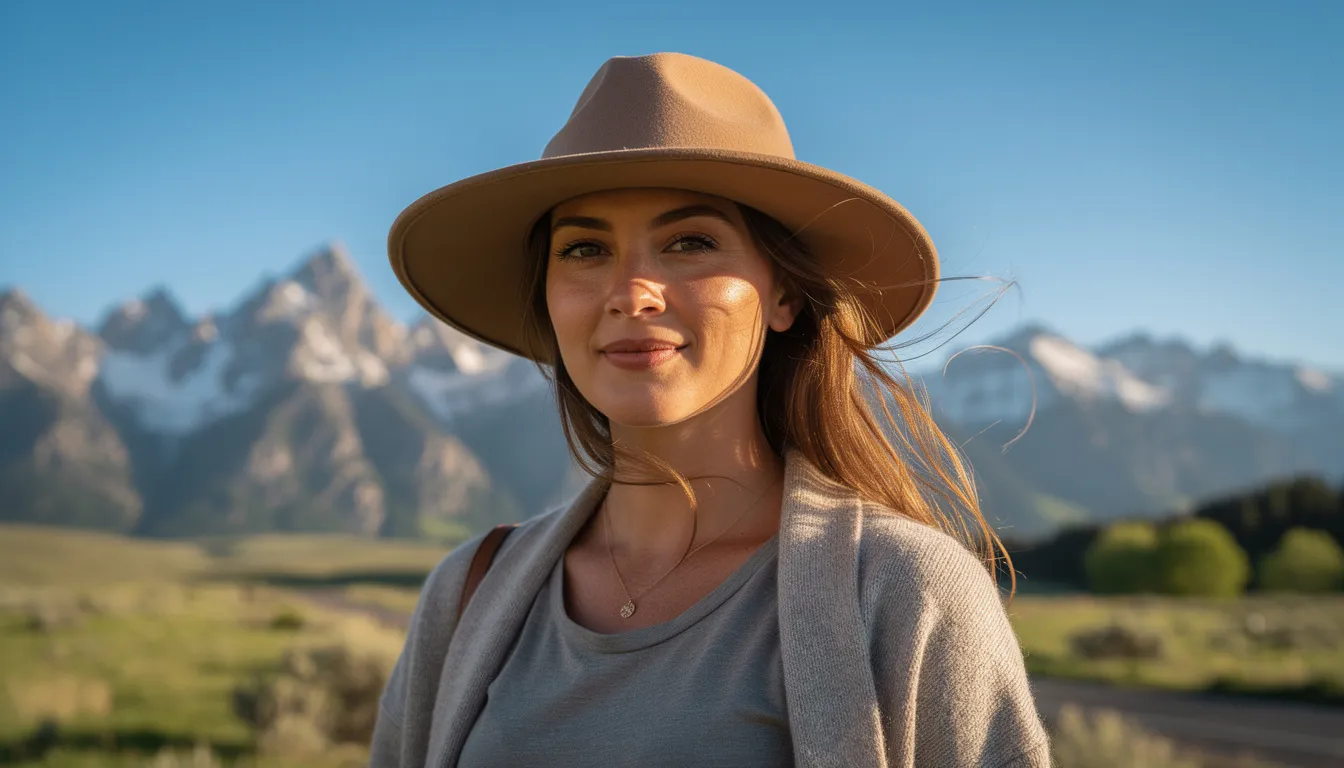
A person is outdoors on a sunny Colorado day, wearing a stylish wide-brimmed hat with majestic mountains in the background. This scene highlights the importance of sun protection for color treated hair, especially in Colorado's dry climate, where UV rays can affect overall hair health and hydration.
UV Protection and Outdoor Habits
Daily use of leave-ins, oils, or sprays that specifically list UV filters should become automatic before any time outside—even on cloudy days, since Colorado’s thin atmosphere lets significant UV rays through.
Layered Protection Strategies
| Activity | Product Protection | Physical Protection |
|---|---|---|
| Hiking | UV spray, leave-in | Wide-brimmed hat, braids |
| Red Rocks concerts | UV oil, heat protectant | Ball cap, low bun |
| Kids’ games | UV spray | Hat with flap |
| Skiing | Heavy-duty UV serum | Helmet, buff |
Tuck ends into low buns, braids, or under hats to shield the most fragile, colored portions from direct sunlight and wind. This simple habit can extend color life significantly, especially for UV exposure-sensitive shades.
Vivid tones, copper, and red shades fade fastest in Colorado and benefit from extra UV care. These clients often need more frequent toners at Clementine’s to maintain their desired shade throughout the season.
Remember to reapply UV sprays after swimming, sweating, or spending several hours outside. Just like skin sunscreen, protection diminishes with time and activity.
Chlorine, Hard Water, and Post-Adventure Rinses
Chlorine in pools around Denver and Aurora can turn blonde hair brassy or greenish while stripping moisture from any colored hair. The chemical bonds with pigment and causes lasting damage that’s difficult to reverse without professional intervention.
Pre-Swim Protection Protocol
Saturate hair with tap water before entering the pool.
Apply a leave-in conditioner or coconut oil to create a barrier.
Keep hair up and out of the water when possible.
Rinse immediately after swimming.
For mineral buildup from Colorado’s hard water, chelating or clarifying treatments used sparingly (once monthly or as needed) help remove deposits. Always follow with a deep conditioning treatment to restore moisture that clarifying strips away.
Clementine’s offers in-salon detox services for frequent swimmers or outdoor athletes, typically scheduled every few weeks during peak season. These treatments remove buildup that at-home products can’t fully address.
Quick Post-Pool Routine
Rinse with fresh water immediately.
Gentle cleanse with color-safe hydrating shampoo.
Apply a mask for 10 minutes.
Finish with UV-protective leave-in.
Air dry or use low heat.
Extending Time Between Salon Visits
Typical color maintenance timelines in Colorado look something like this:
Root touch-ups: Every 5-8 weeks
Toners: Every 6-10 weeks
Glosses for shine: Between full services
Full color refresh: Every 8-12 weeks depending on service
Smart at-home care combined with quick in-between services at Clementine’s helps clients go longer between full color appointments without sacrificing polish or vibrancy.
Certain techniques popular in Denver salons—like balayage, lived-in brunette, and root smudge—grow out more gracefully than traditional all-over color. Working with a stylist to choose these low-maintenance options reduces visible grow-out lines and keeps you looking salon-fresh longer.
Regular trims remain essential even when growing length. In Colorado’s dry climate, split ends travel up the hair shaft, creating dull, frayed ends that make even fresh color look tired. Maintaining your shape prevents this cascade of damage.
Membership programs, pre-booking, or standing Saturday slots at Clementine’s can make ongoing maintenance easier for busy metro-area clients who want to protect your hair investment without constant calendar juggling.
Glosses, Toners, and Quick Refresh Services
Demi-permanent glosses and toners refresh faded hair color, neutralize brass, and add shine in just 30-45 minutes. These services are perfect for a quick LoHi or Arvada stop-in during lunch or after work.
Ideal Timing for Gloss and Toner Appointments:
Schedule halfway between major color sessions.
Book when you first notice brassiness or dullness.
Come in before special events for extra polish.
These services are gentler than full color and can be paired with deep conditioning in a single visit to Clementine’s, maximizing your time and results.
Stylists can slightly tweak toner formulas seasonally. Cooler tones in summer help counter UV warmth and color fading, while softer, warmer tones in winter complement Colorado’s cozy aesthetic.
When booking, ask about “maintenance-only” visits so the front desk can recommend the right quick service at the nearest Clementine’s location.
Trims, Dustings, and Shape Maintenance
Trims or “dustings” every 6-10 weeks keep ends clean and maintain the intended shape of your cut. Even removing just a quarter-inch can dramatically improve how color reflects light, making hair appear healthier and more dimensional.
Benefits of Regular Trims for Color Treated Hair:
Prevents split ends from traveling up the shaft
Maintains style shape between appointments
Removes porous, faded ends that leach pigment
Creates cleaner, shinier appearance
Supports overall hair health
Clementine’s stylists can adjust layers and face-framing seasonally—lighter and airier for summer, more weight and warmth for winter—to suit local weather patterns and personal style preferences.
Regular maintenance helps color last longer by preventing frayed, porous ends that lose pigment quickly in dry air. Pre-booking at checkout ensures your trims line up with color appointments at your preferred Aurora, Arvada, or Denver location.
Why Choose Clementine’s for Color Treated Hair in the Denver Metro
Clementine’s Salon stands as a modern, approachable luxury destination for hair and skin care across Denver’s LoHi neighborhood, Olde Town Arvada, and Aurora’s Stanley Marketplace area. Each location offers the same elevated experience tailored to its unique community.
The salon specializes in custom color, blonding, lived-in color, and corrective work—all designed specifically with Colorado’s climate challenges in mind. Stylists here don’t just create beautiful color; they engineer formulas that withstand altitude, UV exposure, and dry air.
Education forms a cornerstone of the Clementine’s approach. Colorists participate in advanced training, stay current with trends, and attend ongoing classes to master new techniques and product technology. This commitment ensures guests receive cutting-edge services backed by solid science.
The guest experience balances elevated aesthetics with genuine warmth. From thorough consultations to take-home product coaching, every touchpoint supports long-term healthy hair outcomes rather than just one-time results. This attention to detail and multi-location convenience across the metro sets Clementine’s apart from generic Denver salons.
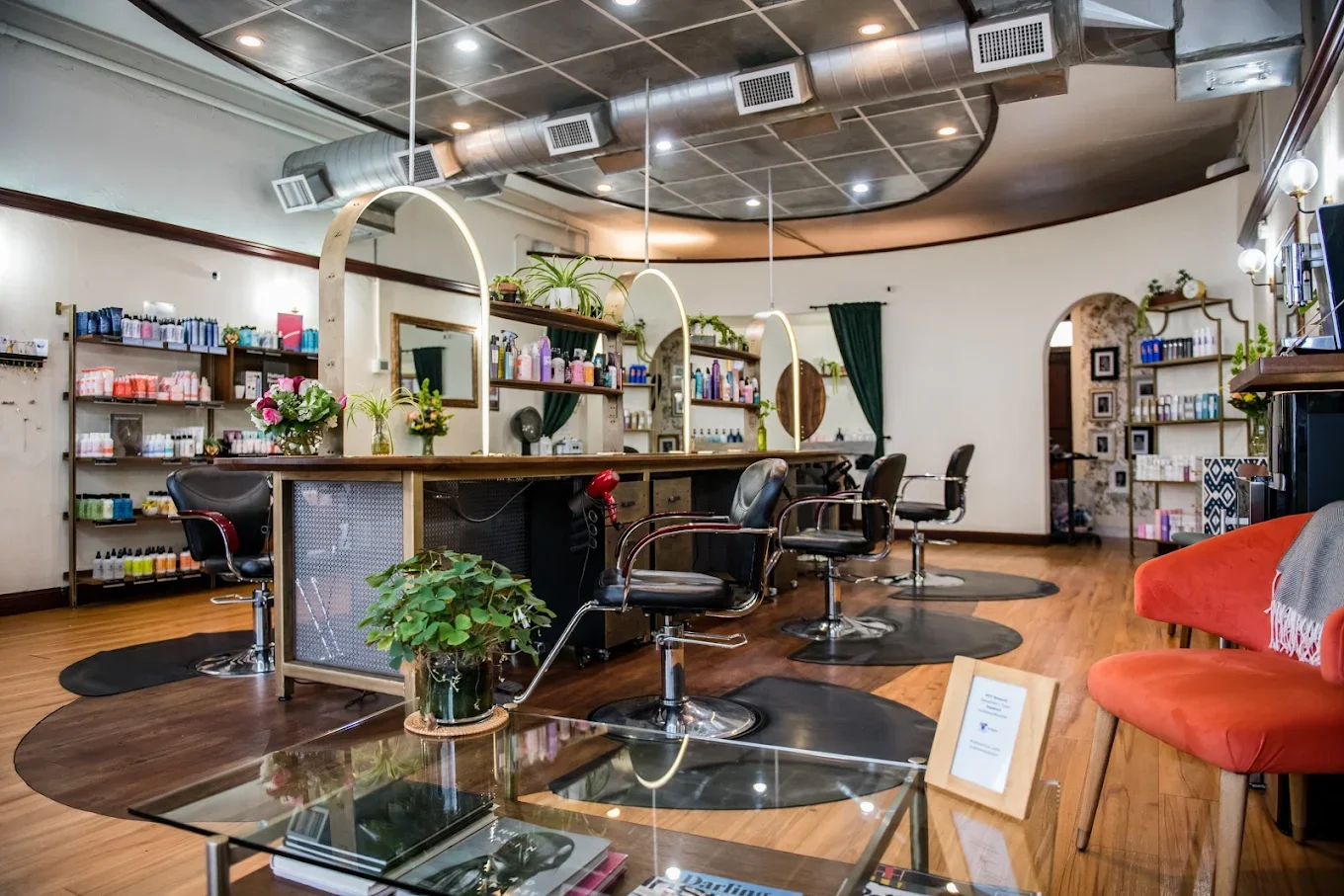
The image depicts a modern and welcoming hair salon interior featuring comfortable styling chairs bathed in natural light, creating a warm atmosphere conducive to hair care and professional treatments. This inviting space emphasizes hair health, offering services that cater to color treated hair and overall hair health in Colorado's dry climate.
Expert Colorado-Savvy Colorists
Clementine’s colorists factor in altitude, UV rays intensity, lifestyle habits, and natural texture when designing every guest’s color plan. This Colorado-specific expertise makes all the difference between color that fades in weeks and color that lasts.
Popular Services at Clementine’s:
Balayage tailored to low-maintenance Colorado living
Dimensional brunettes that resist brass
Cool and warm blondes designed for high UV environments
Creative fashion shades with fade-resistant formulas
Stylists build realistic maintenance schedules during consultations, mapping out exactly how often you should return for toners, root taps, and glosses based on your specific formula and lifestyle.
In-depth consultations cover your complete hair history, current product use, and daily styling habits. This information allows stylists to recommend a complete routine—not just a color—that addresses scalp health, hair growth patterns, and long-term goals.
New guests are welcome to bring inspiration photos and can expect honest, expert guidance on what shades and techniques will thrive in Colorado’s challenging environment.
Curated Products and Personalized Routines
Clementine’s curates professional, color-safe product lines specifically chosen for performance in Colorado’s low humidity and intense sun. The retail selection avoids one-size-fits-all approaches in favor of targeted solutions for different hair needs.
Beyond product names, stylists send guests home with specific step-by-step routines that make daily care feel effortless and clear. Understanding exactly when, how, and why to use each product removes the guesswork from maintaining salon visit results at home.
Your Custom Take-Home Routine Might Include:
Sulfate free shampoo matched to your scalp type
Conditioner balanced for your porosity level
Weekly mask for regular deep conditioning
Daily leave-in for lightweight moisture and protection
Heat protectant for styling tools
Finishing products for smoother hair and frizz free hair
Guests can always stop into any location for quick product refills, new seasonal recommendations, or mini “how-to” refreshers. The stylists genuinely want to see you between appointments—it’s not just about selling products.
This high-touch, customized approach positions Clementine’s as the go-to hair salon for color treated hair in the Denver metro area, supporting healthy hair that looks as good on day 42 as it did on day one.
Frequently Asked Questions About Color Treated Hair in Colorado
These FAQs address common concerns Colorado clients raise during consultations at Clementine’s. Each answer provides practical guidance specific to living at altitude with color treated hair.
How often should I wash my color treated hair in Colorado’s dry climate?
For most people, washing roughly every 2-4 days works well, though your ideal frequency depends on scalp oiliness, hair type, and how active you are. Over-washing accelerates fading and strips moisture, especially at altitude where dry conditions already dominate.
Between washes, use dry shampoo at the roots or a refreshing scalp mist to extend your style. If you’re someone with naturally oily roots but dry ends—a common Colorado pattern—a Clementine’s stylist can suggest a specific wash rhythm and product combo during a personalized advice session.
How soon after coloring should I avoid the sun, pool, or hot yoga?
Protect fresh color carefully for at least 48-72 hours after your appointment. During this window, the cuticle is still settling and pigment remains most vulnerable to damage. Skipping chlorinated pools and very hot yoga classes during this period gives your color the best start.
If outdoor exposure is unavoidable, use extra protection like leave-in conditioners with UV filters and head coverings. After this initial window, sun protection products, hats, and pre-swim protection become your ongoing tools for maintaining salon results through Colorado’s sunny seasons.
Can I still go lighter with my hair if it already feels dry from Colorado’s air?
Yes, lightening is possible, but it should be approached slowly and strategically with a Clementine’s colorist to avoid hair breakage. Stylists may recommend bond-building keratin treatments, trims to remove dead skin cells and damaged ends, and several weeks of intensive hydration before major blonding services.
Scheduling a consultation allows a stylist to assess strand health in person and design a safe, phased lightening plan. Rushing the process in already-dry Colorado hair often leads to damage that requires corrective work later.
What is the best way to prevent my blonde from turning brassy in Denver?
Preventing brass requires a multi-pronged approach: use sulfate free, color-safe shampoo; limit heat tools; schedule regular toners or glosses; and apply UV protection before heading outdoors. Each factor contributes to keeping blondes cool and bright.
Incorporate a stylist-recommended purple or blue toning product once or twice a week, customized to your specific shade and porosity. Clementine’s offers quick gloss appointments that fit into a lunch break or after-work stop—perfect for maintaining bright, brass-free hair between major color sessions.
How do I book an appointment at Clementine’s for color or a consultation?
Booking is simple through Clementine’s online scheduling system or by calling your preferred location. Choose the LoHi, Arvada, or Aurora salon most convenient to you. If you’re a new guest, changing shades, or dealing with past color damage from Colorado’s climate, a first-time color consultation is the ideal starting point.
Ready to protect your color investment? Schedule your appointment today to create a custom, Colorado-proof color plan with a Clementine’s stylist. Your personalized routine starts with a conversation—and ends with vibrant, healthy hair that thrives at altitude year-round.