
Shoulder Length Hair: Styles, Cuts, and Ideas for Every Hair Type
Shoulder length hair sits in the sweet spot between a dramatic chop and the upkeep of longer styles. It's incredibly versatile, easy to maintain, and works across every hair type and face shape. Whether you're considering your first big cut or refining a look you already love, this guide breaks down specific cuts, fringe pairings, and realistic styling advice for straight, wavy, curly, and textured hair.
Key Takeaways
Shoulder length hair offers a balance between style and maintenance, making it the most practical mid length choice in 2026. It's long enough for half-up styles and elegant updos but short enough to air-dry without frustration.
Shoulder length hairstyles suit every face shape, and current trends center on the long bob, shag cut, face framing layers, and curtain bangs or wispy bangs for softness.
This length works especially well for thick hair that needs strategic weight removal and for fine or thin hair that benefits from structure and visible fullness.
Shoulder length hair is versatile for various styles - you can wear it sleek and polished on Monday and textured with loose waves by Friday without changing a thing about your cut.
Below, you'll find specific, named haircut ideas plus easy styling and maintenance tips organized by hair texture, not generic one-size-fits-all advice.
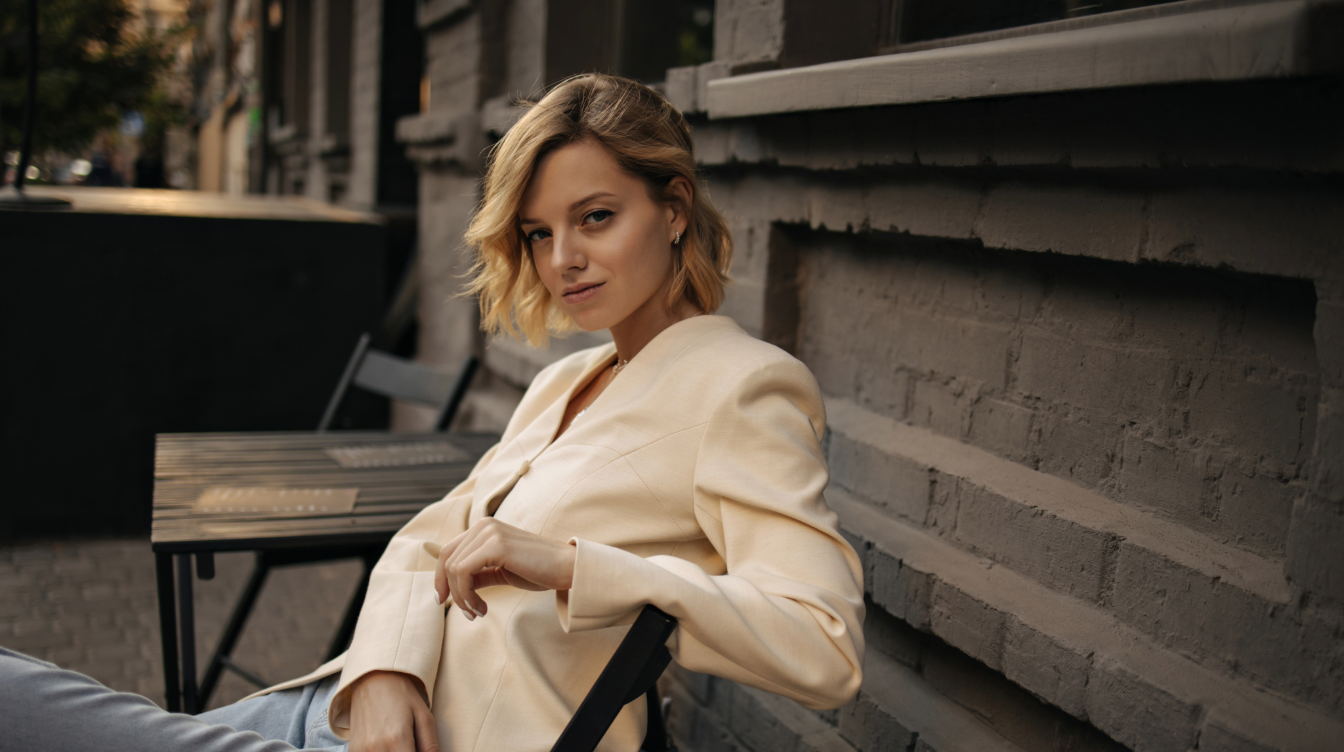
A woman with a classic shoulder-length lob hairstyle sitting in natural light, her straight hair resting just above the collarbone. The look features soft layers that frame her face, enhancing her facial features with a flattering shape.
What Counts as Shoulder Length Hair?
Shoulder length hair sits roughly between the top of the shoulders and the collarbone. This range overlaps with what stylists and trend reports call mid length hair, medium length hair, and medium length haircuts - they're all describing the same general zone. A medium length cut in this range is technically classified as a lob (long bob) when it falls between chin and collarbone.
When communicating with your stylist, precision matters. Use reference points like:
"Right at the shoulder line" - the shortest end of this range
"One inch below the collarbone" - the longest end
"Just brushing the shoulders" - a true mid length haircut
Hair length looks different depending on texture. Straight hair shows exact length, wavy hair can appear slightly shorter due to movement, and curly or coily hair may shrink 30–75% when dry. That shrinkage means a curl hanging at the collarbone when wet could spring up several inches once dry. This is why a length haircut for curly textures should be assessed at the hair's natural dry state.
Most popular shoulder or mid length variations - the lob, angled long bob, and shag cut - all fall within this range. A mid length hairstyle is ultimately defined by where the ends sit relative to your shoulders, not by what the style is called.
Best Shoulder Length Cuts for Straight and Fine Hair
The main goals for straight hair and fine hair are creating the illusion of thickness, visible movement, and structure without causing frizz or flatness. Minimal layering and clean lines are your best tools here.
Sleek blunt lob: A blunt cut that hits exactly at the shoulders, with ends cut straight across. Blunt cuts create a sleek, sophisticated look for straight hair by making the perimeter appear thicker. A blunt cut also creates a sleek look for shoulder-length hair overall, giving you a polished base that can be worn straight or styled with soft bends.
Classic long bob with middle part: The long bob (lob) is a versatile shoulder-length haircut that works with minimal layers and a center part. The slight weight at the ends keeps thin hair from looking sparse, while the middle part elongates the face. This can be worn sleek for work or styled into soft waves for the weekend.
Angled long bob: Slightly shorter in the back and gradually longer toward the front, with front pieces reaching the collarbone. The asymmetrical bob features one side longer than the other in more dramatic versions, but even a subtle angle elongates the neck and sharpens the jawline. For fine hair, keep the angle gentle so the shorter back doesn't appear sparse.
Subtle face framing layers with face framing pieces: Starting around the cheekbones, these subtle layers add shape and movement without removing density through the lengths. This approach preserves fullness while softening features - ideal for anyone wanting dimension without the thinning effect of heavy layering.
For styling, try a flat iron for a glassy, sleek bob finish, or use a 1.25-inch curling iron held at mid-shaft for gentle soft bends. Lightweight volumizing spray at the roots adds lift without weighing down thin hair, and be mindful of drying your hair without causing damage to preserve smoothness and shine. Avoid heavy serums that collapse fine strands.

The image features a woman with a sleek blunt shoulder-length bob, showcasing her straight and polished hair with minimal styling. The shoulder-length haircut frames her face beautifully, highlighting her facial features.
Shoulder Length Ideas for Wavy Hair
Natural wavy hair is ideal for shoulder length because it holds texture effortlessly without needing much heat styling. The length gives wavy locks enough room for movement while keeping shape visible and intentional.
Textured mid length cut with long layers: Layers beginning just below the chin allow natural waves to cascade while keeping the perimeter strong. This creates a lived-in shape that looks styled even when it's not.
Beach waves with piecey layers and color dimension: Sun-kissed balayage or ombré highlights from mid-length to ends add dimension and help the eye read movement in every wave. Beach waves enhance layers and add natural texture, making this a standout option for anyone wanting low-effort drama.
Wavy lob with deep side part: A side part adds lift at the roots and creates asymmetry that flatters round or heart-shaped faces. Tousled waves paired with a deeper part give you a relaxed, editorial quality.
Wispy or long curtain bangs with waves: Soft bangs that blend into wavy textures around the forehead soften features and create a relaxed, French-inspired look. More on fringe options below.
For styling, air-dry with curl cream or wave-enhancing product for the first 80%, then diffuse with a nozzle. Use a texturizing sea salt spray for heatless waves, and scrunch instead of brushing to preserve natural waves and avoid frizz. On non-wash days, refresh with a water mist and a lightweight cream on ends. Loose waves and loose curls emerge naturally with this approach.
Shoulder Length Cuts for Curly and Coily Hair
Shoulder length is a sweet spot for naturally curly hair and coily textures. It provides enough weight to elongate curls and define their natural shape without dragging them down or creating bulk at the bottom. Many curl specialists consider this the most flattering range for textured hair.
Rounded mid length curly cut: Layers distributed from the crown to the cheeks avoid the triangular silhouette that plagues many curly cuts. Volume is targeted around the crown, with weight at the bottom to anchor soft curls and natural curls into a flattering shape.
Curly shag at shoulder length: A curly shag features short internal layers and optional curly fringe to highlight texture and reduce bulk. It encourages bounce and a slightly lifted natural shape rather than heavy, flat lines.
Shoulder length cut with face framing layers: Layers placed around the chin and lips showcase curl pattern and highlight facial features. This works especially well for variegated curl patterns (2C through 4C) where different sections may need different treatment.
Because shrinkage is a core factor, curly and coily hair should often be cut dry or curl-by-curl so the stylist can assess true dry length. Wet cutting risks over-trimming and surprise length loss. The finished dry hair length should sit around the shoulders.
For low maintenance styling, apply a leave-in conditioner and curl cream, diffuse or air-dry, and protect curls overnight with a silk bonnet or satin pillowcase. Use a leave-in conditioner to nourish and tame flyaways on refresh days.
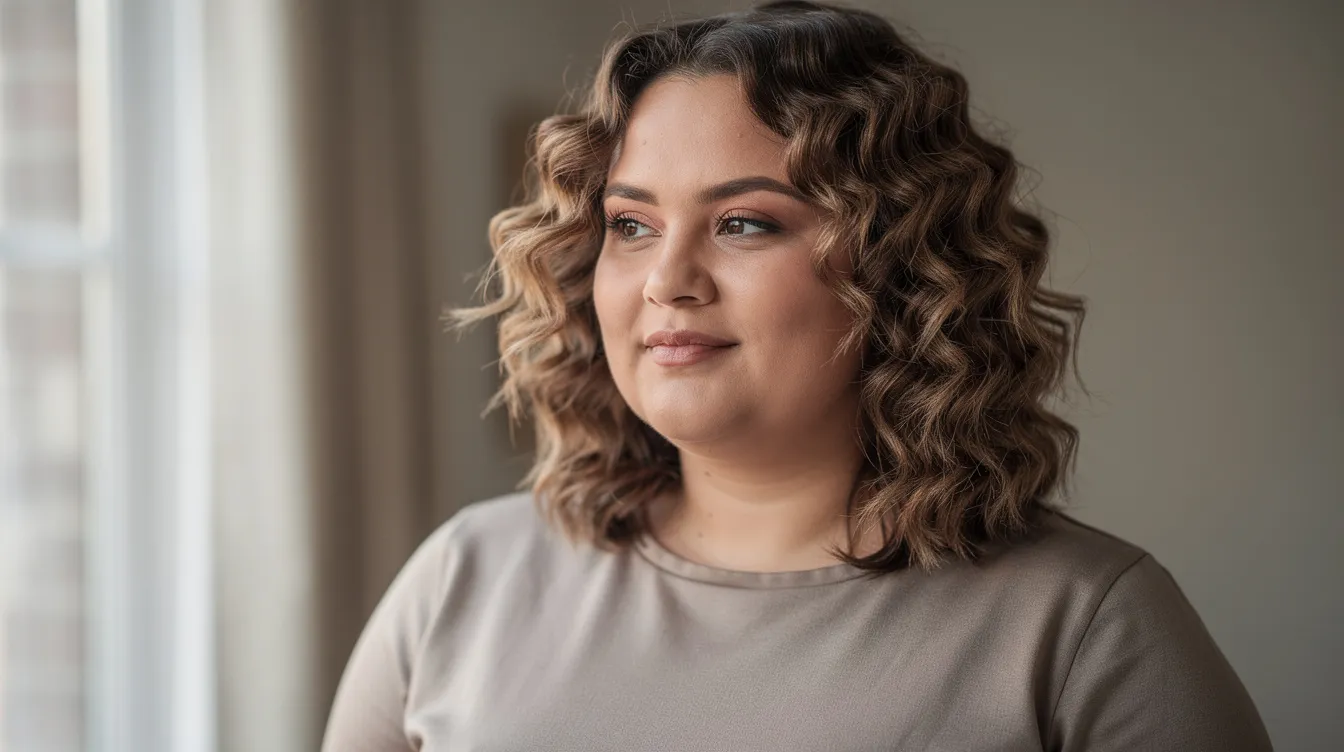
A woman with defined shoulder-length curls stands in natural lighting, showcasing her beautiful curl pattern. Her rounded silhouette and textured hair highlight the versatility of shoulder length hairstyles, enhancing her facial features.
Thick Hair, Textured Hair, and the Shag Cut
Thick hair and highly textured hair often struggle with bulk at mid length, making smart layering the difference between a shape that works and one that feels heavy or boxy.
Modern shoulder length shag cut: Choppy layers, a slightly messy finish, and optional fringe or curtain bangs break up visual density. Shaggy layers provide an effortless, relaxed vibe to medium-length styles, and the cut performs best with minimal manipulation - air-drying or diffusing lets the hair texture do the work.
Internal layers and slide cutting: These techniques remove weight from inside the cut without disrupting the outline. A layered shoulder length cut built with slide cutting keeps the perimeter full and healthy while preventing the pyramid silhouette. Textured layers add volume and dimension to shoulder-length hair by redistributing weight upward.
Wolf cut–inspired shoulder length style: The wolf cut is a trendy shoulder-length hairstyle that takes the shag further - more dramatic internal layers, height at the crown, diffused ends. The wolf cut features heavy layers and wispy bangs for maximum movement. Toned down slightly from its most extreme versions, it works with straight, wavy, and curly textures.
Textured layers add volume to shoulder-length hair across all densities, but especially for thick hair where flat, one-length cuts tend to feel heavy. Expect trim cycles every 8–10 weeks to preserve shape, or closer to 6 weeks if fringe is included.

A woman with a modern shoulder-length hair cut features textured layers that are air-dried, giving her hair a natural and relaxed look. The mid-length hairstyle beautifully frames her face, enhancing her facial features with soft, wispy bangs.
Fringe Options: Wispy Bangs, Blunt Bangs, and Curtain Bangs
Pairing bangs with shoulder length hair can shift your entire look - from soft and romantic to bold and graphic. The type of fringe you choose should match your hair type and daily routine.
Wispy bangs: Feathered and light, skimming the eyebrows. Ideal for fine or thick hair when you want softness without heavy commitment. Wispy layers around the forehead blend seamlessly into longer lengths and work as face framing bangs that don't overwhelm.
Blunt bangs: Cut just below the brows for straight or slightly wavy hair. Blunt bangs create a strong, graphic statement when paired with a blunt lob or sleek long bob. They require precision and regular trims to stay clean.
Long curtain bangs: Parted in the middle or slightly off-center, tapering to the sides and blending into face framing layers. Curtain bangs soften facial features and frame the face beautifully, making them one of the most universally flattering fringe options in 2026. Soft bangs in this style work across oval, heart, and square faces.
Angled or side swept bangs: Shorter in the center, gradually longer toward the cheeks. These soften facial features without the maintenance of a full blunt fringe - a good middle ground for someone wanting visible change.
Plan for trims every 4–6 weeks to keep bangs at the right length. Blow dry with a round brush for volume, or use a flat iron for blunt styles. Match fringe to texture: fine hair pairs well with wispy styles, thick hair can handle piecey curtain bangs, and curly hair needs texture-specific fringe cut dry.
Low Maintenance vs High-Impact Shoulder Length Styles
Mid length and shoulder length haircuts can be chosen for either minimal daily effort or maximum drama. It depends on where you want to land on that spectrum.
Low maintenance options:
Softly layered lob with soft layers and minimal shaping - air-dries well, holds shape between trims
Uniform medium length cut for thick hair with just enough texture to avoid boxiness
Simple textured bob that works with your natural texture rather than fighting it
High-impact options:
Fashion-forward color on a shoulder length lob
Sharp angled long bob with precise lines
Heavily layered shag demanding product and heat styling
Face framing layers and subtle long layers offer visible change without increasing daily styling time - a useful middle ground for busy professionals or parents who want to look intentional without adding steps. Students or creative types might opt for a textured shag or dramatic fringe that allows more self-expression but accepts longer styling sessions. The honest question is always: how much time will you realistically commit each morning?
Styling and Care Tips for Shoulder Length Hair
Shoulder length hair is relatively easy to maintain but still benefits from a routine tailored to your texture. Effective care focuses on preventing damage and split ends so your cut looks intentional between appointments.
Trimming and shape:
Regular trims every 6–8 weeks maintain shoulder-length hair and keep lines crisp. Highly layered or fringe styles may need closer to 6 weeks; blunt, one-length cuts can sometimes stretch to 8–10 weeks if ends are healthy.
Daily styling ideas:
Quick blowout with a round brush for polished, adding volume results. Apply a blowout cream and pull sections upward for volume before blow dry.
Create a voluminous look by using a blow-dryer brush starting at the roots, then curl the ends of your hair under for a polished style.
Use Velcro rollers after blow-drying for extra volume that lasts all day.
For a sleek look, a flat iron on low-to-medium heat delivers a glassy finish. Use a heat protectant before blow-drying to protect hair from heat damage, and consider in-salon treatments like a Brazilian Blowout for long-lasting smoothness and frizz reduction.
Air-dried natural waves with a diffuser for wavy or curly textures - minimal heat styling required, especially when you pair them with the right styling and care products.
Washing and conditioning:
Washing should focus on the scalp while conditioning the lengths. Pre-wash oiling can retain moisture and soften hair before shampooing.
Incorporate a deep conditioning treatment once a week for moisturizing. A hair mask can control frizz and add shine on particularly dry or damp days.
Overnight tricks:
Loose braids on damp hair before bed create effortless waves the next morning.
Use a silk sleeping bonnet to protect hair while sleeping - Blissy Bonnets prevent breakage and split ends while sleeping. A silk or satin pillowcase works similarly for those who prefer not to wear a bonnet.
How to Choose the Right Shoulder Length Cut for You
The best shoulder length haircut depends on your face shape, hair texture, lifestyle, and how much styling time you're willing to invest. Here's a quick decision guide:
| Face Shape | Best Options |
|---|---|
| Round | Angled long bob, side parts, longer face framing layers to elongate |
| Square / Strong Jaw | Soft waves, curtain bangs, textured layers to soften angles and soften facial features |
| Oval / Heart | lob, shag cut, wispy bangs, layered shoulder length cut |
| Long | Layers around shoulders for width, side parts, wispy or blunt fringe to visually shorten |
For hair texture: fine hair benefits from blunt perimeters and minimal layers. Thick hair needs internal layering to remove bulk while keeping a flattering shape. Curly and coily hair should be cut dry whenever possible, respecting shrinkage and natural shape.
Be honest about lifestyle. If you want a wash-and-go routine, choose a shoulder length cut that works with your natural texture. If you're comfortable with daily heat styling, more precise or layered styles open up. Bring reference photos from recent trends or inspiration from the biggest haircut trends of 2025 and discuss maintenance level honestly with your stylist before cutting. The right shoulder length layered cut or classic bob variation should work for your real life - not just look great in a photo.
Frequently Asked Questions
How often should I trim shoulder length hair to keep the shape?
Plan for trims every 6–8 weeks for most shoulder length haircuts to maintain crisp lines on lobs and bobs and to keep layers sitting correctly. Highly layered or shag cut styles may need closer to 6 weeks, while blunt, one-length cuts can sometimes stretch to 8–10 weeks if hair is healthy. Skipping trims too long causes flicking-out ends at the shoulders and makes a mid length style look uneven and unkempt.
Is shoulder length hair good for very thick hair?
Shoulder length can be excellent for thick hair as long as the cut includes internal layers or weight removal to prevent a bulky, triangular shape. Ask your stylist for a layered lob, relaxed shag, or softly textured medium length cut that specifically removes weight around the bottom. Thick hair usually benefits from longer layers rather than heavy, blunt one-length cuts at this hair length.
Can I wear shoulder length hair if I have naturally curly or coily hair?
Shoulder length is one of the most recommended lengths for curly and coily hair because it balances volume, shape, and manageability. Look for curl-specialist techniques such as dry cutting or curl-by-curl shaping to account for shrinkage and uneven patterns. Rounded layers, curly shag shapes, or a shoulder length cut with face framing layers work far better than a harsh, blunt line that creates bulk at the bottom.
What is the difference between a lob and a shoulder length bob?
A classic lob (long bob) usually skims between the chin and the collarbone, while a shoulder length bob sits right at or slightly below the shoulders. Both can be cut blunt, layered, or angled, but lobs often feel slightly longer and more flexible for updos and waves. If you're transitioning from long hair and want a subtle change, start with a lob. If you're ready for a more noticeable shift, a true shoulder length bob delivers more impact.
Are shoulder length cuts considered low maintenance?
Many shoulder length styles are low maintenance because they're light enough to air-dry yet long enough to pull into small buns, ponytails, or clips. Blunt lobs, softly layered mid length cuts, and simple beach-wave styles are the easiest to maintain day-to-day. Highly layered shag cuts and precise blunt bangs require more frequent trims and styling time, so the answer ultimately depends on which cut you choose and how much time you're willing to invest each morning.