
Blonde to Balayage: Your Complete Guide to a Softer, Sun-Kissed Blonde
Going from a full, all-over blonde to a more dimensional balayage is one of the most requested color transitions we see at Clementine's Salon. It's a shift that trades constant root touch-ups for a softer, lived-in look that grows out with grace. Here's everything you need to know before making the move.
Key Takeaways
Going from all-over blonde to blonde balayage softens regrowth lines, adds depth and dimension, and creates a low maintenance, sun kissed look that works with your natural growth pattern rather than against it.
Blonde balayage works across many hair types and starting shades from highlighted blondes to lighter brown hair-but the approach should always be customized by a professional colorist who can assess your own hair in person.
A reverse balayage approach, where deeper tones are painted back into bright blonde, is often the safest and most flattering way to transition to a more lived-in, multidimensional blonde.
Purple shampoo, bond-building treatments, and heat protection are non-negotiable for keeping blonde balayage healthy and bright between salon visits.
Clementine's Salon, with locations in Denver LoHi, Arvada, and Aurora, CO, is a go to destination for customized balayage and corrective color in the Denver metro area.
From Bright Blonde to Balayage: Why Make the Switch?
If you've been maintaining a full blonde for a while, you know the routine: visible roots every four to six weeks, flat color that lacks movement, and cumulative dryness from repeated lightening sessions. All-over blonde saturates strands from root to tip for uniform brightness, and while that maximum uniform brightness looks stunning fresh out of the salon, root regrowth is noticeable with all-over blonde, requiring frequent touch-ups that add up in both time and cost.
A blonde to balayage transition flips that equation. By adding depth at the roots and painting lowlights through the mid lengths, your stylist creates movement and a natural, sun kissed effect that blends seamlessly with natural regrowth for low maintenance upkeep. Transitioning from all-over blonde to balayage involves adding depth and dimension-without sacrificing the brightness you love around your face.
This shift is an ideal option for Denver professionals wanting fewer appointments, new parents fitting salon visits around a packed schedule, or anyone whose blonde has started to feel washed out and one-dimensional, and it fits seamlessly with Clementine's full range of hair styling and coloring services. Reverse balayage is ideal for transitioning from lighter shades, and it's the technique most stylists reach for in this scenario-painting a darker color back into previously lightened hair to restore contrast and richness. At Clementine's, consultations are designed to tailor the approach to your lifestyle, hair history, and budget, so the end result feels intentional rather than accidental.
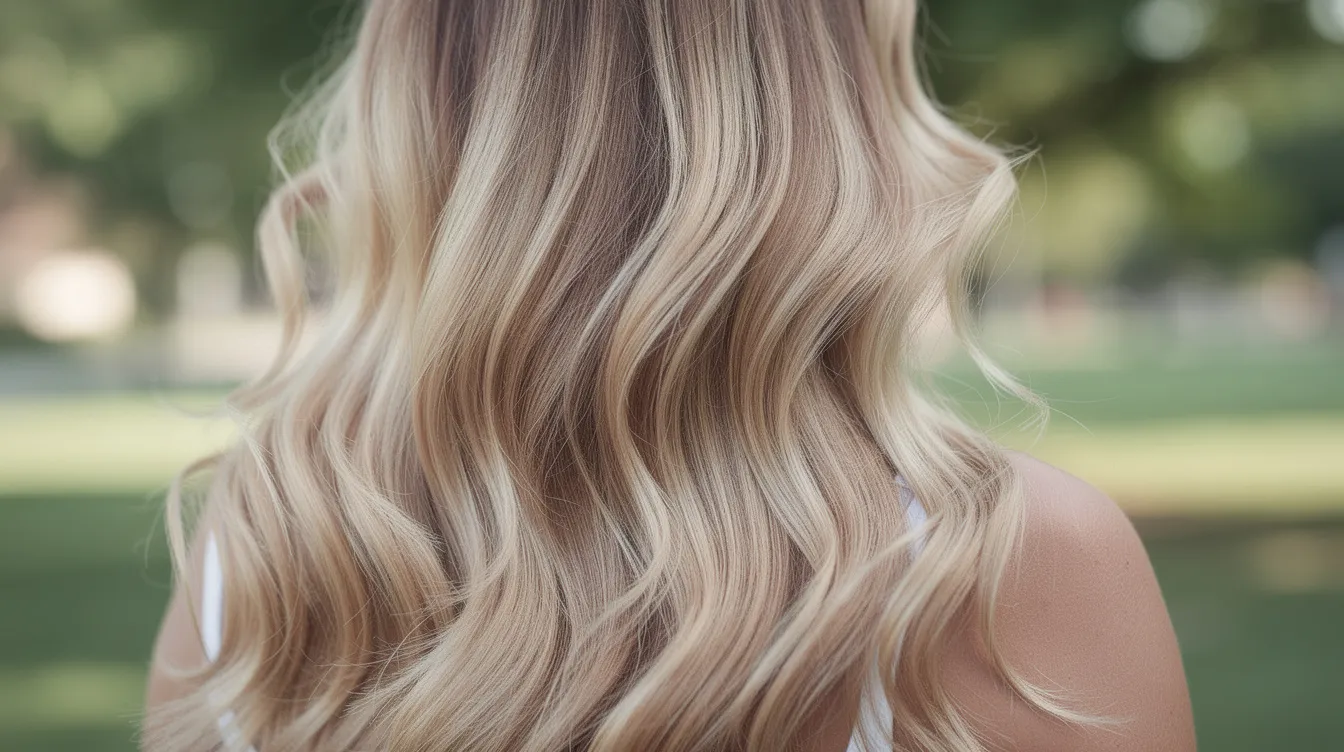
Transform your look from blonde to balayage with our essential guide. Discover tips, techniques, and maintenance advice. Read more to get started!
What Is Blonde Balayage (and Reverse Balayage)?
Balayage is a freehand hair coloring technique rooted in a French word meaning "to sweep." Instead of weaving hair through foils from scalp to ends, a stylist uses a brush to paint lightener onto select sections, creating a natural, sun-kissed gradient effect. Balayage does not use foils, unlike traditional highlights, which is what gives it that soft, blended finish free of harsh lines.
What makes blonde balayage different from traditional foil highlights or ombré:
Color is painted directly onto the surface of strands rather than saturated through foils, producing a more natural look.
There's no visible "stripe" pattern-the result mimics how the sun would lighten your hair over a long summer.
Balayage requires less maintenance than traditional highlights because the grow-out is gradual, not abrupt.
Reverse balayage is the flip side of that process. Instead of lifting hair lighter, it adds darker tones to blonde hair-lowlights and shadowed roots are painted back into overly light or one-dimensional blonde to restore depth. This technique creates a rich, multidimensional appearance that reads as natural rather than flat.
Compared to maintaining full blonding, blonde balayage stretches longer between appointments (often three to six months versus four to six weeks), costs less over time, and grows out without a hard demarcation line at the roots.
Are You a Good Candidate? Hair Type, Color, and Lifestyle
Almost every hair type and starting shade can support some version of blonde balayage. Balayage is suitable for all hair colors and textures, though the specific placement and contrast will look different on each person. Whether you have straight hair, waves, curls, or coils, a skilled stylist can adapt the technique.
How your starting color impacts the final result:
Existing pale blonde can shift into a creamy, multi-dimensional blonde with added lowlights-no bleach needed, just strategic placement of a slightly darker color.
Medium brown hair can lift to a warm caramel or honey blonde balayage, especially through the face frame and ends.
Dark brown or deeper natural color may require a more gradual lightening plan spread across multiple sessions to protect hair integrity.
Hair type considerations matter too:
Fine hair benefits from soft contrast rather than heavy streaks. Foiling is ideal for fine hair needing structural organization, and a stylist may combine foils with freehand painting for the best of both worlds.
Balayage is ideal for thick, textured, or curly hair because the freehand application follows the hair's natural fall and movement.
From a lifestyle perspective, someone who prefers to visit the salon every ten to twelve weeks is a great fit for low maintenance balayage, and our comprehensive hair color services menus make it easy to plan those visits around your schedule. If you love a super bright, cool, ashy blonde, you may still need more frequent toning-but far less than all-over blonde demands. We encourage Denver metro clients to bring inspiration photos to a consultation at Clementine's so a stylist can assess density, condition, and previous color on your own hair.
How Stylists Take You from Blonde to Balayage
Moving from all-over blonde to balayage is a corrective color service. Your stylist works in two directions during the same appointment-strategically darkening some areas while keeping others light-to create that dimensional, blended finish.
Here's what the typical in-salon process looks like:
Consultation and hair history review to understand what you're starting with and where you want to land.
Selection of a new root shade and lowlight tones based on your natural base, skin tone, and preference for warm or cool undertones.
Placement of reverse balayage lowlights and a shadow root, where darker shades are applied near the roots and throughout strands to build depth. Stylists often section hair into quadrants for easier application and even coverage.
Refreshing or brightening select blonde pieces around the face to keep that light, sun kissed frame.
A gloss or toner to unify the overall hair color, counter brassiness, and boost shine.
When choosing between a beige, honey, or ashy blonde shade, stylists evaluate your undertones (warm versus cool), your natural color level, and how your skin tone interacts with the final result, and a skilled hair colorist in Denver, Aurora, or Arvada will walk you through these options in detail. A 30 Volume developer is recommended for effective lightening when lift is needed, though your colorist will adjust the formula based on hair condition and processing time.
Expect to spend two to three hours in the chair for this kind of transformation, especially if hair is long or has been heavily processed. Clementine's colorists use professional, bond-building products and modern balayage techniques to preserve hair integrity throughout the process.
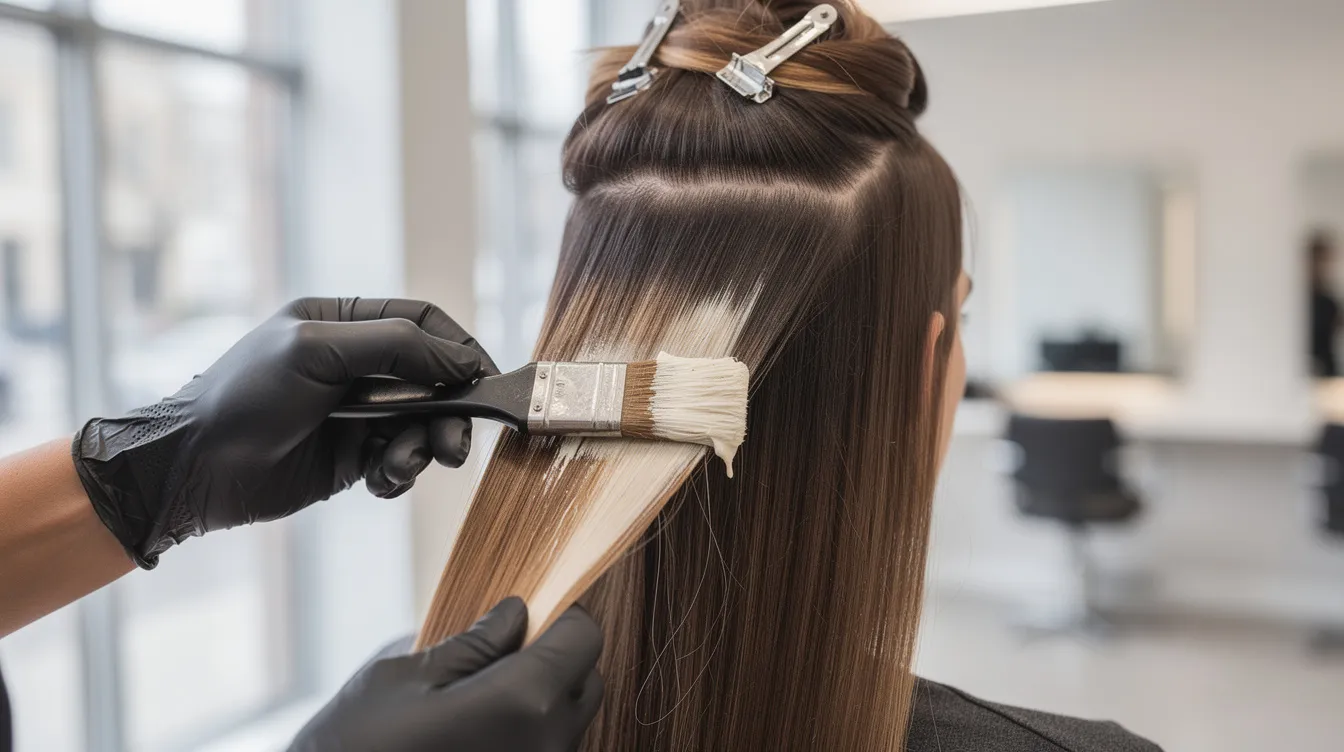
A professional colorist is hand-painting balayage highlights onto sections of straight, fine hair in a bright, modern salon. The technique creates a natural-looking, sun-kissed effect, blending lighter highlights into darker brown roots for a soft and blended finish.
What to Expect at Clementine's Salon (Denver, Arvada, Aurora)
Clementine's is a modern, approachable luxury salon with three locations across the Denver metro-Denver LoHi, Arvada, and Aurora, CO each designed to feel elevated without being intimidating; you can explore all Clementine's salon locations and details before booking.
A blonde-to-balayage appointment at Clementine's includes:
An in-depth consultation where your stylist reviews your hair history, goals, and lifestyle.
A personalized color map outlining where lowlights, highlights, and toner will be placed.
Custom-blended toners formulated for your specific tone and undertone.
A relaxing shampoo experience with a signature head massage.
A professional blow dry and style so you can see the dimension and movement in your own hair before you leave.
Transparent pricing is part of how we do things. Here's what to expect on average:
Color + Haircut: around $262 for a full transformation
Color + Style: around $168.98 if you're skipping the cut
Haircut: around $79.68
Blowouts: about $59 for maintenance or between-color refreshes
Pricing can shift based on hair length, density, and how much corrective work is involved-your stylist will provide an estimate before starting. We recommend booking ahead, especially for weekend or evening balayage appointments, as these fill up fast across all three locations; using our hair color studio stylist-matching tools can also help you find the right provider for your goals.
Maintaining Your New Blonde Balayage
While blonde balayage is low maintenance compared to full blonde, it still requires thoughtful at-home care and periodic salon visits to keep things looking polished. Balayage can last between 3-6 months with proper care, and proper care can extend balayage color longevity significantly beyond that baseline.
Ideal maintenance timing:
Gloss or toner refresh every eight to twelve weeks to keep tones vibrant.
Balayage touch-ups and reshaping every three to six months, depending on how light you prefer to stay.
Simple at-home care guidelines:
Wash with sulfate-free, color-safe shampoo and follow with conditioner to lock in moisture.
Limit hot tool heat and always use a heat protectant-lightened hair is more vulnerable to damage above 350°F.
Incorporate a weekly hydrating mask or bond-builder to maintain strength and elasticity.
Use a violet shampoo weekly to prevent brassiness in lighter blonde areas. This is especially important in Colorado, where strong UV exposure and mineral-heavy water can accelerate unwanted yellow or gold tones. Be careful not to overdo it too much purple shampoo can push your color toward a dull or overly ashy cast. Once a week is the sweet spot for most people.
Clementine's stylists can recommend specific product regimens at checkout tailored to your hair type, porosity, and balayage tone, and our Arvada hair styling salon is a popular destination for clients seeking these customized routines.
At-Home Balayage vs. Professional: Why It Matters More on Blonde
DIY balayage and at home balayage kits can be tempting-especially when social media makes it look straightforward, but working with a professional hair colorist in Denver, Aurora, or Arvada is far safer for blonde hair. But on previously lightened blonde hair, the margin for error is razor thin.
Potential problems from DIY balayage on blonde:
Banding and patchy color where bleach overlaps with already lightened sections.
Compromised hair health on fragile ends that can't handle another round of processing.
Unpredictable undertones-orange, gold, or muddy tones that are difficult and expensive to correct.
By contrast, working with a professional colorist at Clementine's means partnering with experts like our Aurora-based studio stylist Abrianna, among many other talented team members:
Controlled placement of lightener and lowlights using professional hair lightener for best results.
Customized formulas for different sections of the same head, because the front of your hair often has different needs than the back.
Bond protection steps built into the service from start to rinse.
Less long-term damage and fewer costly color corrections down the road.
If you've tried a DIY approach in the past and aren't happy with the result, that's okay. A consultation with a Clementine's stylist can create a realistic plan to fix and soften your color without judgment. The goal is always to get your hair to a healthier, more natural looking place-whatever that starting point looks like.
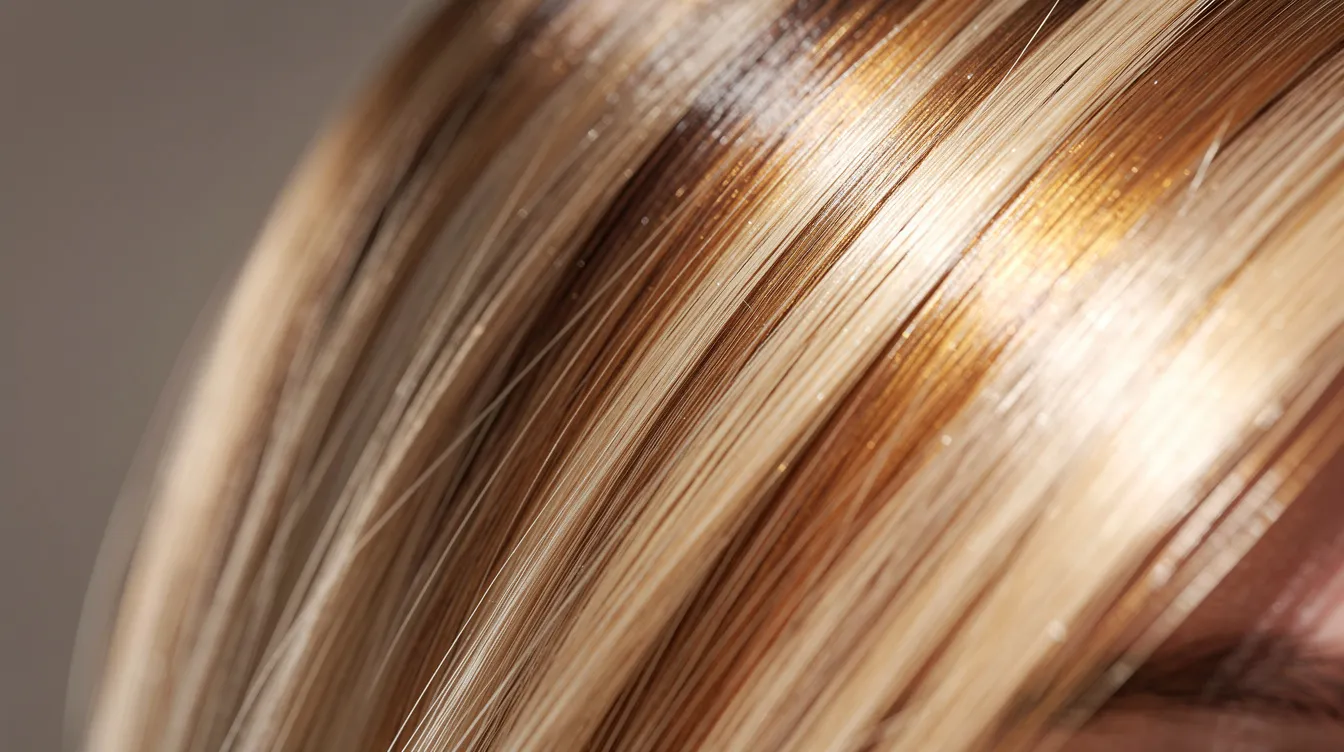
A close-up view of healthy, glossy blonde balayage hair strands illuminated by natural sunlight, showcasing a beautiful blend of lighter highlights and ashy blonde tones. The soft, sun-kissed strands create a more natural look, highlighting the hair color technique that adds depth without harsh lines.
Color Care Essentials: Products and Ingredients to Look For
The right products can extend the life of your blonde balayage and keep your hair looking glossy between visits, especially when they come from a salon with a longstanding history of high-quality hair and skincare. Rather than chasing every new launch, focus on these core categories:
Bond-building masks or treatments to repair and strengthen lightened hair at the structural level.
Sulfate-free, color-safe shampoo and conditioner that clean without stripping your color.
Purple shampoo for cool blondes-it deposits violet pigments to neutralize yellow tones. Use it weekly, and towel dry your hair before applying for better absorption.
A lightweight leave-in conditioner or oil for ends to seal moisture and add shine.
Colorado's dry climate makes leave-in hydration and UV protection especially important for light hair. The combination of altitude, sun exposure, and hard water in Denver, Arvada, and Aurora can accelerate brassiness and dryness faster than you might expect.
Ask your stylist at Clementine's to build a simple, three-to-four-product routine tailored to your own hair and budget. You don't need a shelf full of products-you need the right ones, used consistently. Think of it as the beauty equivalent of a capsule wardrobe.
How Often to Refresh, Darken, or Go Brighter Again
One of the best things about blonde balayage is its flexibility. You can slowly deepen toward a richer bronde, or gradually go brighter, without a drastic "all at once" change. Balayage lasts between three to six months before touch-ups are needed, giving you plenty of runway between major appointments.
For most clients, this is what a refresh schedule looks like:
Minor brightening and face-framing lighter highlights once or twice a year.
Toner refresh and haircut every two to three months to keep the color polished and the shape clean.
If your blonde starts feeling too bright or one-note again, reverse balayage can be used to add depth and dial things back toward a warmer, richer shade-it's an easy pivot that doesn't require starting from scratch. Your stylist decides whether to darken, maintain, or lift lighter based on your hair health, seasonal preferences (many clients go warmer in fall and brighter in spring), and how much time you want to spend on upkeep.
We suggest scheduling your next maintenance appointment at checkout while you're still at Clementine's. It's the simplest way to lock in your preferred timing and keep your color looking intentional, not accidental.
Ready to Go from Blonde to Balayage? Book with Clementine's
If you've been wondering whether a blonde to balayage transition is right for you, the best next step is a conversation with someone who does this every day. Clementine's Salon has three locations-Denver LoHi, Arvada, and Aurora-each staffed with experienced colorists trained in traditional balayage, reverse balayage, and corrective blonde services.
What you can expect: modern, approachable luxury; a personalized color plan built around your hair, your style, and your schedule; and transparent pricing (Color + Haircut averages around $262, Color + Style around $168.98, Haircut around $79.68, and Blowouts around $59).
Bring photos of your dream blonde balayage alongside a photo of your current hair so your stylist can map out a realistic path from where you are to where you want to be.
Schedule your blonde-to-balayage consultation today. Call your nearest Clementine's location or use our online booking system to reserve your appointment. Your hair will thank you.
FAQ: Blonde to Balayage
Here are quick answers to common questions we hear from clients considering this transition.
How long does it take to go from solid blonde to balayage?
Most appointments run two to three hours for a single session. If your hair is very long, heavily processed, or needs significant corrective work, your stylist may recommend spacing the transformation across multiple visits six to eight weeks apart to protect hair health. During a consultation at Clementine's, you'll get a precise time estimate based on your hair's density, length, and existing color history.
Will my hair look darker if I add reverse balayage on top of blonde?
Your hair will look slightly deeper at the root and through the mid lengths, but the ends and face-framing pieces stay bright. The overall effect reads as sun kissed and dimensional rather than dark. If the idea of going darker makes you nervous, start with subtle lowlights in a light brown or soft natural shade and deepen gradually over a couple of appointments. You control the pace.
Can I keep my own natural root and just balayage the ends?
Yes-many clients choose to keep their natural base intact and only balayage the mid lengths and ends. This is especially low maintenance and works well for those with brown hair or dark blonde who want subtle lightness without committing to monthly root retouches. It's one of the most forgiving approaches to balayage hair because the grow-out is virtually invisible.
Is blonde balayage safe on previously damaged hair?
It depends on the level of existing damage. Sometimes a stylist at Clementine's will recommend a haircut, deep conditioning treatments, or a less aggressive color plan before adding more lightener. Bond-building treatments and a slower, multi-step process are key for fragile, over-processed strands. The goal is always to achieve the look you want without sacrificing the long-term health of your hair.
How soon after going to balayage can I change my hair color again?
In general, waiting at least six to eight weeks before another major color change is safest. Glosses and toners can often be refreshed sooner without added stress to the hair. If you enjoy experimenting with different blonde and brunette tones, ask your Clementine's stylist to map out a year-long color plan so each appointment builds on the last rather than working against it.