
What Is the Third Rarest Natural Hair Color?
Key Takeaways
The third rarest natural hair color in the world is blonde (about 2%), ranking behind red (1–2%) and ahead of brown (about 11%) when ordered from rarest to most common.
Global hair color distribution breaks down roughly as: black (75–85%), brown (~11%), blonde (~2%), and red (1–2%).
These percentages vary by region and ancestry—what’s rare in one part of the world might be common in another.
At Clementine’s Salon in Denver LoHi, Arvada, and Aurora, our stylists work with every shade on this spectrum, from enhancing rare reds and blondes to creating rich, dimensional brunettes and glossy black tones.
Introduction: Why We’re So Obsessed with Hair Color Rarity
People love comparing notes about hair. Whether it’s debating which shade looks best with certain skin tones or wondering how rare their natural colour actually is, hair color sparks real curiosity. And honestly, it makes sense—your hair is one of the first things people notice.
Throughout history, different hair colours have carried all kinds of meaning. Blondes have been associated with everything from innocence to glamour. Red heads have been called fiery, mysterious, even magical. Brunettes often get pegged as approachable or sophisticated. Black hair carries associations with strength and elegance across many cultures. These perceptions shift over time, but the fascination stays constant.
This article focuses on natural hair color rarity worldwide—not what’s trending at salons or what celebrities are wearing this season. At Clementine’s Salon in Denver, Arvada, and Aurora, we see every shade walk through our doors, so we get this question a lot: what’s actually the rarest hair color? Let’s break it down.
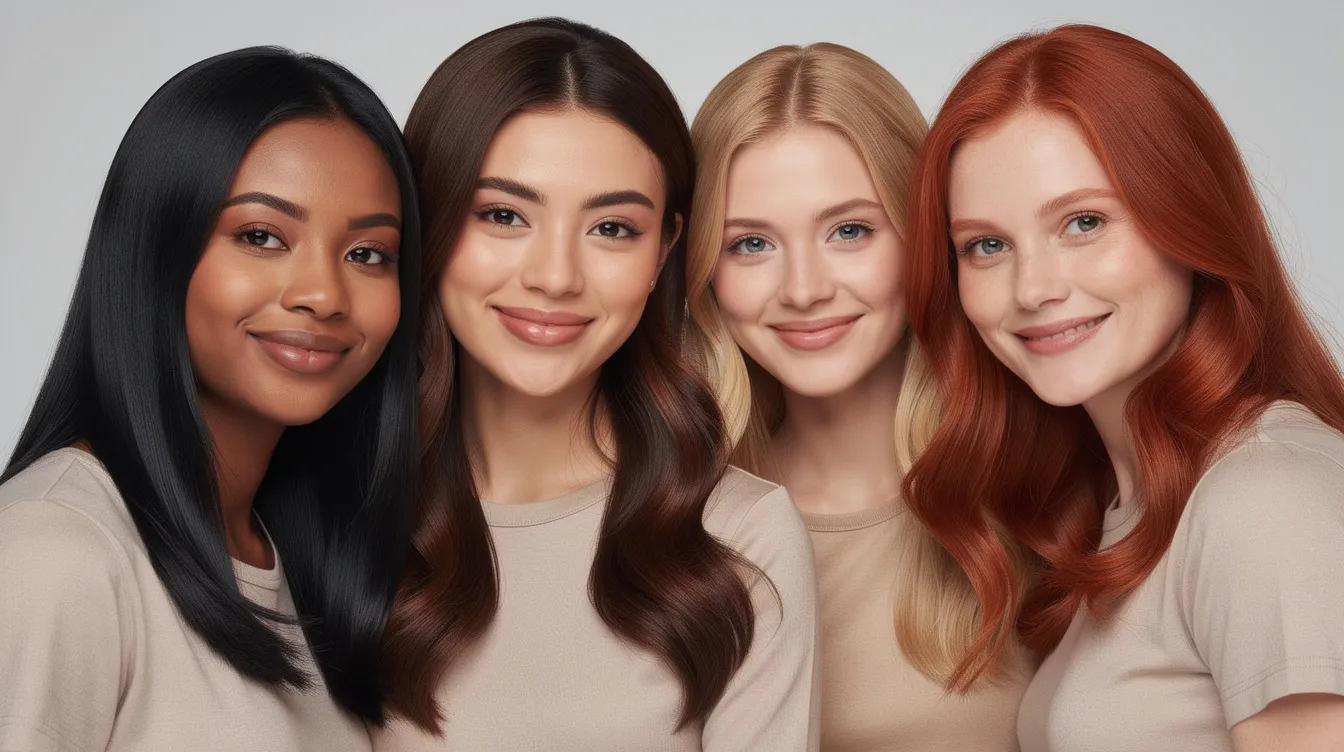
The image features four individuals standing together, each displaying a different natural hair color: black, brown, blonde, and red. This diverse representation highlights the variety of natural hair colors found within the global population, showcasing the rarity of shades like natural red hair and blonde hair.
So, What Is the Third Rarest Hair Color?
Blonde hair is the third rarest natural hair color when you rank from rarest to most common. If you flip the order and start from most common, brown lands as the second most prevalent after black. The confusion usually comes from which direction people count.
Here’s the clean breakdown of natural hair colours with approximate global percentages:
Red: about 1–2% of the world’s population (rarest)
Blonde: around 2% (third rarest)
Brown/Brunette: roughly 11% (second most common)
Black: about 75–85% (most common)
These numbers come from population genetics research and estimates from organizations like World Population Review. The exact figures vary depending on the study, self-reporting methods, and how researchers classify shades (is very dark brown counted as brown or black?), but this ranking holds steady across most sources.
Online discussions sometimes muddle the “third rarest” designation because people start counting from black instead of red. Both perspectives are valid—it just depends on whether you’re asking “what’s third rarest” versus “what’s third most common.” For clarity, blonde is the third rarest and brown is the second most common.
While brunettes seem abundant in places like Europe and North America, globally brown still trails far behind black. In many parts of Asia, Africa, and Latin America, brown hair is relatively uncommon compared to dominant black hair.
How Natural Hair Color Is Determined
Whether you’re blonde, brunette, a redhead, or have jet black strands, it all comes down to pigment and genetics. Your hair’s shade is determined before you’re even born, written into your DNA by your parents.
The Role of Melanin
Melanin is the pigment responsible for hair color. There are two main types: eumelanin (responsible for brown and black shades) and pheomelanin (creates red tones).
Two types of melanin create every natural hair shade:
Eumelanin: Controls brown and black tones. More eumelanin = darker hair.
Pheomelanin: Produces red and warm copper tones. Higher levels = red hair.
Blonde hair: Both eumelanin and pheomelanin levels are low.
Brown hair: Moderate eumelanin with minimal pheomelanin.
Black hair: High concentrations of eumelanin.
Red hair: Pheomelanin taking center stage.
How Genetics Influence Hair Color
The MC1R gene on chromosome 16 plays a major role in red hair expression. It’s a recessive gene, meaning a child needs to inherit one copy from each parent to express natural red hair. This explains why red is the rarest natural hair color—even in Scotland, where about 13% of the population has red hair, up to 40% carry the gene without showing it.
Blonde, brown, and black shades involve multiple genes working together, making these traits polygenic and more complex to predict. Your daughter might inherit darker hair than both parents, or your baby might be born with light blonde hair that darkens by adulthood.
Age and environment also influence what we see. Many children are born with lighter hair that gets darker as melanin production ramps up through puberty. Sun exposure can lighten certain strands, especially in those with lower melanin levels. And eventually, melanocyte decline leads to gray and white hair—a natural part of aging that doesn’t discriminate by original shade.
Global Hair Color Rankings: From Rarest to Most Common
Hair color rarity depends heavily on region and ancestry, but clear global patterns emerge when you look at the data. Migration, genetics, and population distribution all factor into why certain shades dominate certain areas.
Here’s the ranking from rarest to most common:
Red – The rarest natural hair color
Blonde – Third rarest (about 2% globally)
Brown – Second most common (about 11% globally)
Black – The most prevalent worldwide
These numbers focus on natural color at the roots—not dyed or highlighted hair. Salon colour can completely shift what we see walking down the street, but genetics tell the true story.
#1 Rarest Hair Color – Red
Natural red hair claims the title of rarest hair colour, appearing in just 1–2% of the global population. That works out to roughly 1 in 50 to 1 in 200 people, depending on the study and region.
The rarity ties directly to genetics. The MC1R gene responsible for red hair is recessive, so both parents must carry it for a child to be born with red strands. Even if both parents carry the gene, there’s still only about a 25% probability their child will express it.
Where redheads are most common:
Scotland: approximately 13% of the population
Ireland: similar high percentages
Other parts of Northern and Western Europe: 2–6%
Rest of the world: under 1%
Redheads often share certain traits linked to their unique pigment blend. Fair skin, freckles, and heightened sun sensitivity are common. Some research suggests differences in pain perception and anesthesia requirements, though findings vary.
Despite occasional headlines claiming redheads might “disappear,” most geneticists dismiss extinction concerns. The recessive gene will continue to pass through families even as populations blend—it just might express less frequently.
#2 Second Rarest Hair Color – Blonde
Natural blonde hair is the third rarest, with around 2% of the world’s population having naturally blonde roots. This number might surprise people who see blondes everywhere—but most of those shades came from a bottle.
Geographic patterns:
Highest concentrations in Northern and Eastern Europe (Scandinavia, Baltic regions)
Finland leads with approximately 80% blonde hair
Sweden, Norway, and Iceland also show high percentages
Rare occurrences in some Pacific Island populations via distinct genetic mutations
Blonde encompasses a wide spectrum of shades:
Platinum (nearly white, very low melanin)
Ash blonde (cool, gray undertones)
Golden blonde (warm, honey tones)
Strawberry blond (blonde with red tones from pheomelanin)
Dirty blonde (darker, closer to light brown)
Natural blonde hair often pairs with lighter eyes like blue, gray, or green, but this isn’t a rule—genetics allow for many combinations. At Clementine’s, we specialize in maintaining healthy blonde hair through professional lightening, custom toning, and bond-protecting treatments that keep light hair strong and vibrant.
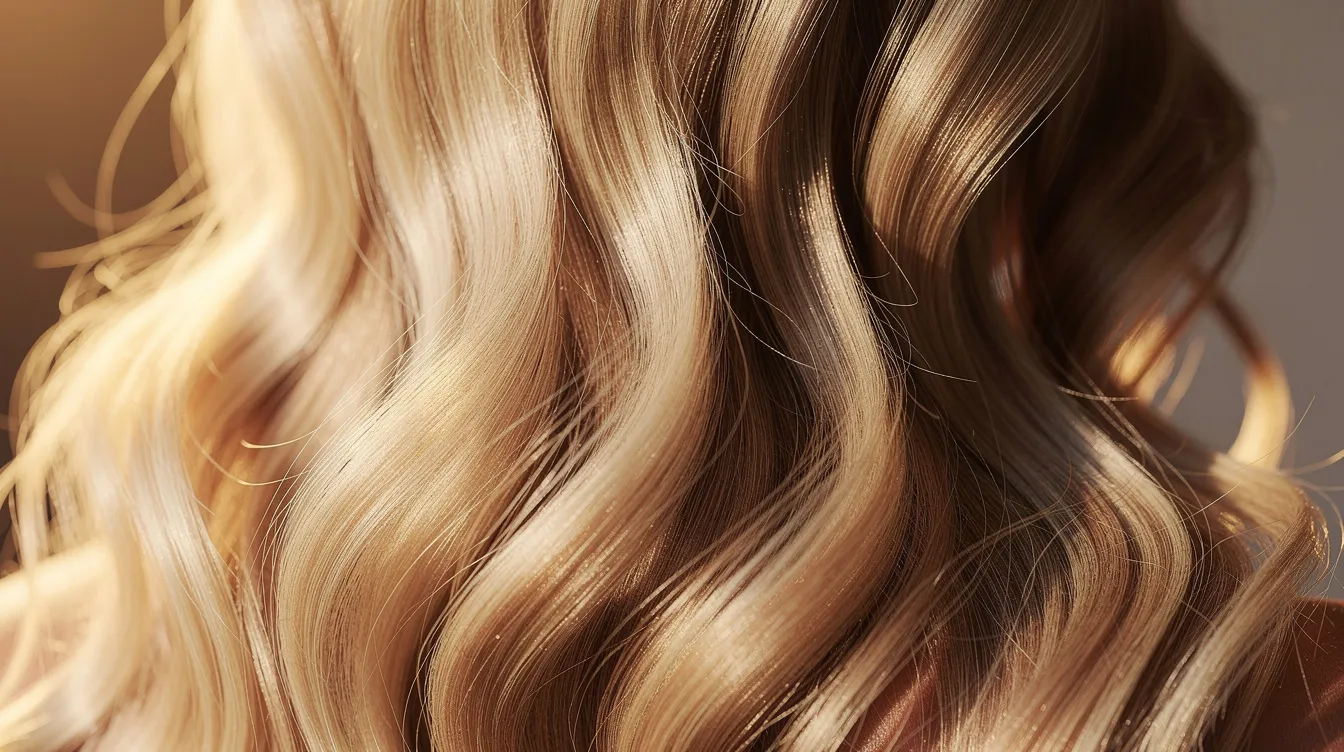
The image features sunlit blonde hair, showcasing its natural highlights and texture, which adds depth and dimension to the light hair color. The warm tones of the blonde strands glisten in the sunlight, emphasizing the beauty of natural blonde hair.
#3 Second Most Common Hair Color – Brown/Brunette
Brown hair makes up approximately 11% of the global population. While that’s far less than black hair’s dominance, brunettes are common in many Western countries, which might skew perception.
Regional distribution:
Especially prevalent across Europe and North America
Common in parts of Central and South America
Often appears in populations with mixed ancestry
In the US, natural brown hair accounts for about 11% of natural shades
The brunette spectrum runs wide:
Light brown: Closest to dark blonde, often warm
Caramel: Medium brown with golden undertones
Chestnut: Rich, warm brown with red hints
Chocolate: Deep, neutral brown
Espresso: Very dark, almost-black brown
Brown hair’s “middle” pigment level makes it versatile for color services. It lifts to blonde more easily than black hair and takes rich, dimensional highlights beautifully. At Clementine’s, our stylists enhance brunettes with glosses for shine, soft balayage for lived-in dimension, and professional treatments that keep darker hair smooth and healthy.
#4 Most Common Hair Color – Black
Black hair is the most common natural hair color worldwide, found in an estimated 75–85% of the global population. This overwhelming prevalence reflects evolutionary advantages—higher eumelanin levels provide greater UV protection for the scalp, particularly important in equatorial regions.
Where black hair dominates:
East Asia (China, Japan, Korea)
South Asia (India, Pakistan, Bangladesh)
Africa
Indigenous populations of the Americas
Latin America
Middle East
Black hair includes variations from jet black to soft black to very deep brown that appears black under most lighting. Healthy black hair shows incredible shine and depth.
At Clementine’s, we work with black and very dark hair through subtle tone shifts (cool versus warm undertones), high-contrast highlights or balayage for dimension, and emphasis on moisture and shine-boosting treatments. Colorado’s dry climate can leave dark hair looking dull, so proper care makes a significant difference.
Why Hair Color Rarity Varies by Region
Global averages hide significant local differences. What’s rare in Denver might be common in Dublin.
Early human migration patterns explain much of this variation. Lighter hair and skin became more prevalent in Northern Europe, where reduced UV exposure made lighter pigmentation advantageous for vitamin D synthesis. Darker hair remained dominant in regions near the equator, where higher UV exposure selected for more protective melanin.
Founder effects also play a role. When a small group with certain traits (like blonde or red hair) settles in a relatively isolated area, those traits can become concentrated over generations. This explains why Scotland and Ireland have such high redhead percentages despite red hair being globally rare.
Modern travel and migration are blending these patterns. Cities like Denver see increasingly varied hair colors as families bring diverse genetic backgrounds together. A single child here might inherit red-tinted brunette from an Irish grandparent and darker brown from a Latin American parent, creating a unique combination of colours that reflects our interconnected world.
From Rare to Routine: Changing Your Hair Color Safely
Natural rarity is fascinating, but modern color services mean anyone can explore shades inspired by rarer colors—whether that’s going blonde, adding red tones, or creating a rich, dimensional brunette.
Professional Color Services at Clementine’s
Why professional color matters:
Correct formulation protects hair integrity
Custom blending complements skin tone and eye color (including brown eyes, which pair beautifully with warm coppers)
Even coverage and smoother grow-out
Bond-protecting treatments prevent damage during lightening
Common client goals at Clementine’s:
Deepening natural brown for richer shine
Lightening to soft, dimensional blonde
Adding copper, auburn, or red-violet hues for a red-inspired look
Blending gray hair seamlessly
Creating mixed colors through balayage and highlights
Our stylists start every transformation with a detailed consultation covering lifestyle, maintenance preferences, and hair health. We use salon-grade color and lighteners, focusing on long-term hair health through treatments and at-home care plans tailored to Colorado’s dry climate.
How Clementine’s Salon Personalizes Color in the Denver Metro
Clementine’s Salon has become a go-to destination for thoughtful, tailored color across the Denver metro area, rooted in a history of exceptional hair and skincare services. Whether you’re exploring a dramatic change or just want to enhance your natural shade, our stylists bring expertise and creativity to every appointment.
Our Locations and Services
Our locations (full details on each Denver, Arvada, and Aurora salon):
| Location | Vibe | Ideal for |
|---|---|---|
| Denver LoHi | Urban, modern, trend-forward | Central Denver clients wanting cutting-edge color and cuts |
| Arvada | Convenient northwest metro | Families and professionals seeking consistent, elevated service |
| Aurora | Accessible east metro | Busy schedules without sacrificing quality |
Color services we offer:
Balayage, foils, and lived-in highlights for blondes and brunettes
Creative red, copper, and fashion-inspired shades tailored to your skin tone
Glosses and toners for shine and tone correction
Bond-protecting treatments for color-treated hair
Our approach prioritizes listening first. We understand that exploring a rare shade or enhancing your natural color is personal. Our stylists factor in your skin tone, lifestyle, and how much maintenance you’re willing to commit to before making recommendations.
And because we’re based in Colorado, we understand what dry air and high altitude do to hair. Moisture retention is a priority in every service we provide, especially for lighter hair that’s more vulnerable to damage.
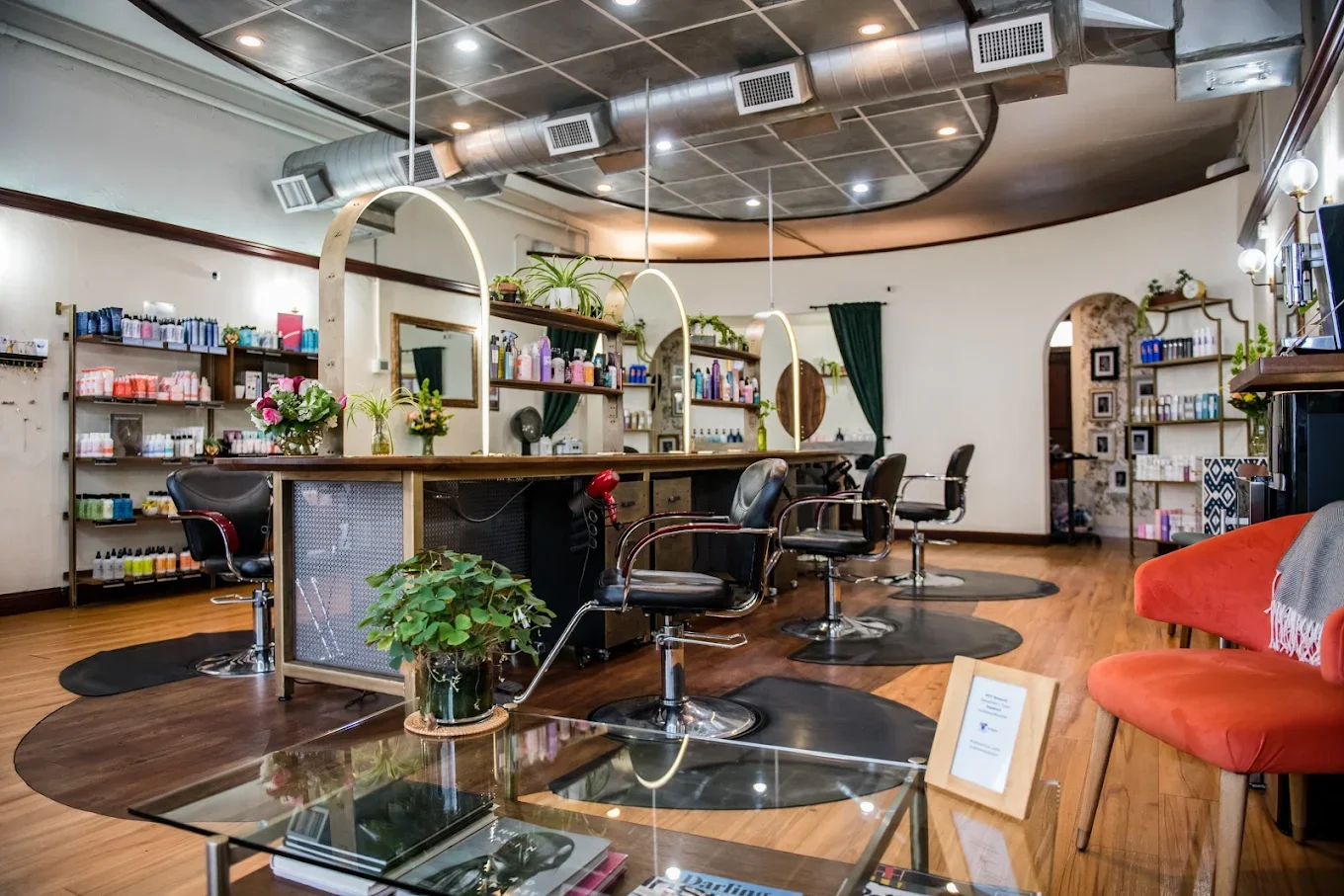
The image showcases a modern salon interior filled with natural light, featuring sleek styling chairs arranged neatly. The inviting atmosphere is perfect for clients looking to explore various hair colors, from natural blonde to rich brown and vibrant red tones.
FAQ
These questions come up often in consultations and online searches. Here are answers to some things we haven’t fully covered above.
Is gray or white hair considered a natural hair color, and how rare is it?
Gray and white hair result from melanocyte decline—your hair loses pigment as you age rather than producing a new color. Because most people eventually gray to some degree (roughly 50% of people are significantly gray by age 50), gray isn’t classified in rarity rankings the same way red, blonde, brown, and black are.
Premature graying is less common and can be influenced by genetics, stress, and other factors. Many clients at Clementine’s embrace their natural silver and enhance it with glosses or toners for a polished, intentional look.
Can one person naturally have more than one hair color at the same time?
Yes, subtle natural variation is common. Many people have lighter strands around their face or at the ends where sun exposure has lightened the hair. Some notice darker hair underneath with lighter hair on top.
More dramatic multi-tone hair—like distinct patches of different colors—can occur with conditions like partial albinism or genetic mosaicism, though these are relatively rare. If you love the multi-tone look, a skilled colorist can recreate that blend effect through highlights, lowlights, or balayage.
Does rare hair color always come with rare eye color?
Hair and eye color both involve pigment genetics, but they’re controlled by overlapping yet distinct gene sets. While some combinations are statistically uncommon (natural red hair with deep brown eyes, for example, or natural blonde hair with very dark eyes), any combination is possible depending on family genetics.
The probability of specific pairings varies by population, but there’s no hard rule linking rare hair to rare eyes. Choose your hair color based on what flatters your skin and style rather than chasing a specific pairing.
Can my child’s hair color change as they grow up?
Very common. Many babies are born with lighter hair that darkens over the first 5–10 years, especially in families where brown or black hair is prevalent. Melanin production increases with age, so a blonde baby might become a light brown child and then a medium brunette by adulthood.
This shift happens naturally as pigment production matures. Teen and adult hair can still look different under various lighting and with sun exposure, but major changes after puberty are less common.
How can I safely go from a common color to a rarer look, like blonde or red?
Always consult a professional colorist rather than attempting dramatic changes with box dye—especially when lifting dark hair or adding vivid reds. The typical process includes:
Consultation and strand test to assess your hair’s current condition
Gradual lightening over several sessions for very dark or previously colored hair
Bond protectors and nourishing treatments throughout to maintain hair strength
Custom toning to achieve your target shade
If you’re in the Denver metro area, book a color consultation at one of Clementine’s locations. We’ll map out a realistic, healthy timeline for your hair goals—whether that’s embracing your natural shade or transforming into something entirely new.
Ready to Explore Your Next Hair Color?
Whether your natural shade falls among the rarest in the world or sits comfortably in the majority, the right color and care can make your hair feel special. Understanding where your natural colour fits on the global spectrum is interesting, but what matters most is how your hair makes you feel.
At Clementine’s Salon, our stylists are ready to help you enhance what you have or explore something completely new. From subtle glosses that boost your natural shine to full transformations that take you from dark to dimensional blonde, we approach every service with expertise and genuine care for your hair’s health.
Book your appointment today:
Denver LoHi – For trend-forward color in the heart of the city
Arvada – Convenient northwest metro location
Aurora – Easy access for east metro clients, including working with specialized stylists like Abrianna
Schedule online or call your nearest location. Let’s find your perfect shade together.